
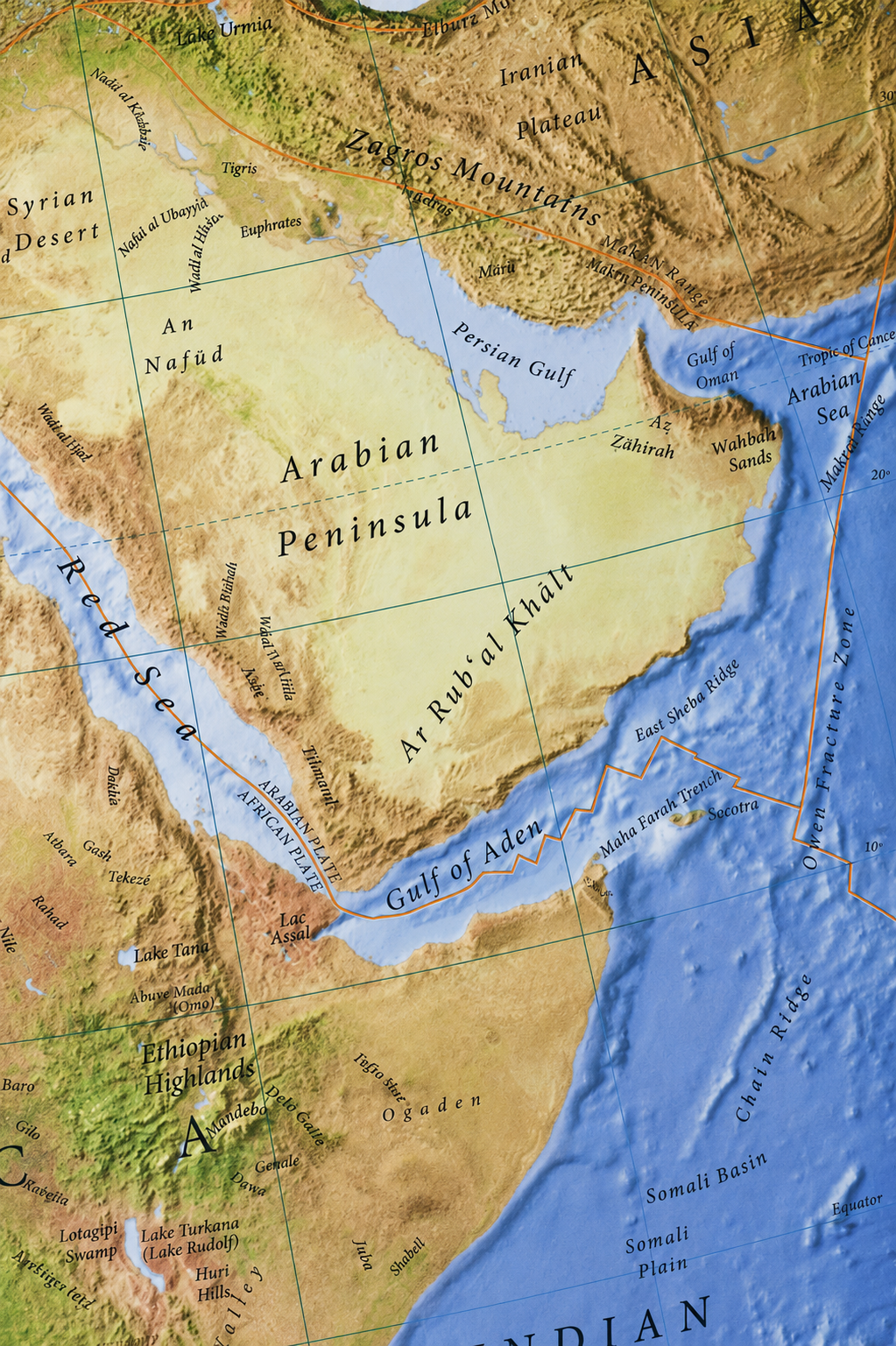

The Arabian Peninsula is one of the most geographically remarkable landmasses on Earth. Stretching across Southwest Asia and bordered by the Red Sea to the west, the Arabian Sea to the south, and the Persian Gulf to the east, this vast region covers over 3.2 million square kilometers. It sits at a crossroads between Africa, Asia, and Europe a position that has shaped not only its arabian peninsula climate but also its role as a hub of ancient trade routes, religious history, and modern geopolitical significance.
🌡️ Max recorded temperature: ~54°C (129°F)
🌧️ Average annual rainfall (interior): <50mm
🏜️ Desert coverage: ~900,000 sq miles
🌍 Largest desert in Asia: Arabian Desert
Understanding the Arabian Peninsula climate is essential not only for scientists and policymakers but also for anyone seeking to grasp how human civilizations have thrived in some of the planet's harshest conditions. From scorching desert interiors to surprisingly lush mountain ranges, the climate of this region is far more diverse than it first appears.


Geographical Overview of the Arabian Peninsula
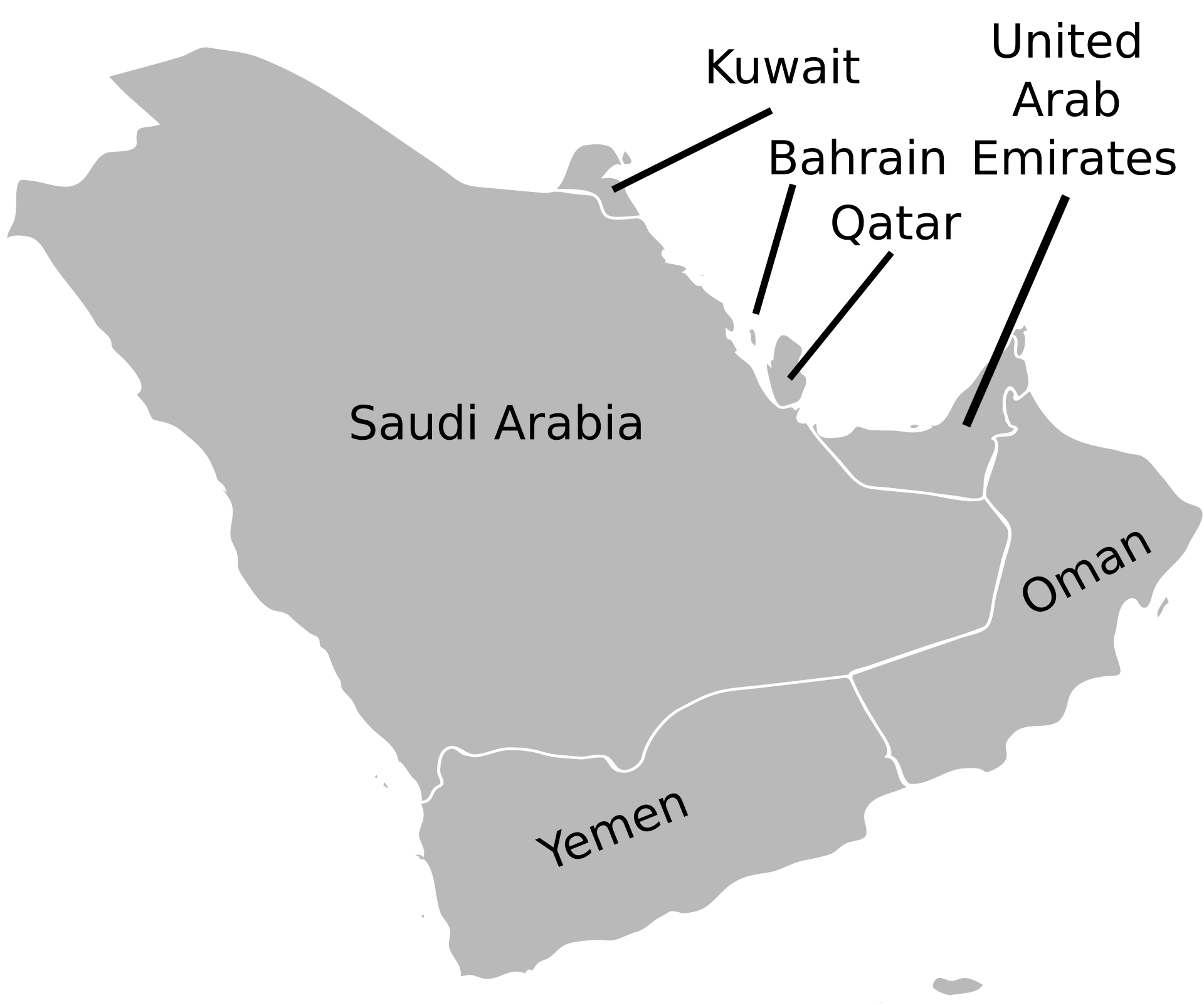
The peninsula encompasses several sovereign nations: Saudi Arabia (which dominates the landmass), Yemen, Oman, the United Arab Emirates, Qatar, Bahrain, and Kuwait. Each country experiences slightly different climate conditions based on its location, elevation, and proximity to water. Saudi Arabia's vast interior sits at the heart of the most arid zone, while coastal nations like Bahrain and Qatar contend with intense humidity. Yemen and Oman, benefiting from monsoon influence and mountainous terrain, experience conditions unlike anywhere else in the region a reminder that the arabian peninsula climate is far more varied than its desert reputation suggests.
Major physical features include the vast Rub' al Khali (Empty Quarter) in the south, the Hejaz and Asir mountain ranges along the western coast, the Hajar Mountains in Oman, and extensive coastal plains. These features directly shape the Arabian Peninsula climate by creating distinct microclimates within an otherwise arid environment.
Climatic Zones of the Arabian Peninsula
Arid Desert Climate
The dominant climate type across the peninsula is hot desert (Köppen classification: BWh). The interior regions particularly central and southern Saudi Arabia receive less than 100mm of rainfall annually, and in many years, virtually none at all. Summer temperatures regularly exceed 45°C (113°F), with extreme highs surpassing 50°C (122°F) in places like the Rub' al Khali. These arabian peninsula desert facts highlight just how extreme arid conditions can be: sand surface temperatures can climb above 70°C on a summer afternoon.
The Arabian Peninsula experiences some of the widest temperature swings on Earth a single location can see frost in January and temperatures above 50°C just six months later. Despite this extremity, the region has been continuously inhabited for over 125,000 years, making it one of humanity's oldest and most resilient landscapes. In fact, the Arabian Desert alone covers roughly 900,000 square miles, yet supports hundreds of plant and animal species uniquely adapted to survive its extremes.
Coastal Climate Variations
Coastal areas tell a different story. The Red Sea coast experiences high humidity year-round, often feeling hotter than the dry interior despite lower absolute temperatures. The southern coasts of Yemen and Oman are directly influenced by the Indian Ocean monsoon system, receiving seasonal rainfall between June and September. This makes parts of Dhofar in Oman genuinely green during summer a striking contrast to the surrounding desert. The arabian peninsula climate along the Persian Gulf coast is characterized by extreme humidity in summer, sometimes making heat index values feel dangerously high even at night.
Mountainous Regions and Microclimates
The Asir Mountains in southwestern Saudi Arabia and the Dhofar highlands in Oman are climatological outliers. Elevations above 2,000 meters create cooler conditions and support orographic rainfall — precipitation triggered when moist air masses are forced upward by terrain. These regions can see annual rainfall of 300–500mm, supporting terraced agriculture and rich biodiversity unusual for the broader peninsula.
Seasonal Weather Patterns
Summer (June–September) is the defining season of the Arabian Peninsula climate. Temperatures routinely exceed 45°C across the interior, and humidity on the Gulf coast can reach 90%, making outdoor activity dangerous during midday hours. Cities like Riyadh, Abu Dhabi, and Kuwait City have adapted with widespread air conditioning, adjusted work hours, and shaded public spaces. The Shamal wind a northwesterly hot, dry wind frequently causes sandstorms across Iraq and the northern peninsula during this period.
Winter Conditions
Winter (December–February) brings welcome relief. Temperatures in Riyadh can drop to around 8–12°C at night, and northern regions occasionally experience frost. The Tabuk region in northwestern Saudi Arabia has even recorded snowfall in rare years a scene that surprises many given the region's desert reputation. These cooler months are when outdoor events, desert tourism, and agricultural activity peak across the peninsula.
Spring and Autumn
Spring and autumn are brief transitional periods in the arabian peninsula climate, yet they carry their own distinct character. Spring (March–April) can bring dust storms locally known as haboob sweeping across the interior, along with occasional thunderstorms in coastal and mountainous areas. Wildlife activity peaks during these weeks, as milder temperatures make food and water more accessible across the desert.
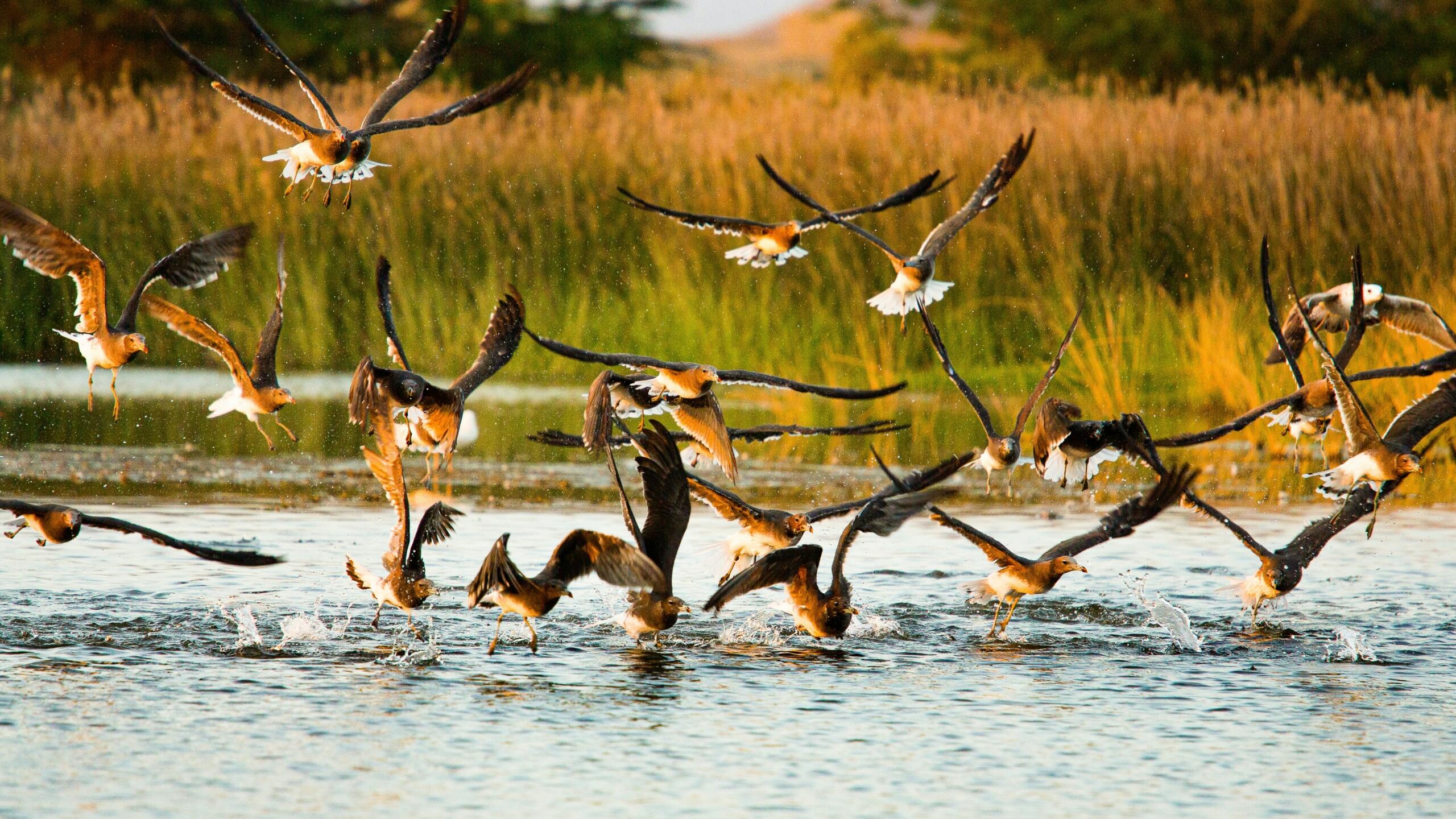
Autumn (October–November) sees temperatures moderate gradually after the punishing summer months, bringing welcome relief to both residents and ecosystems. Migratory birds pass through the region in large numbers during this period, taking advantage of the cooler conditions. Neither season is as distinct as in temperate climates, but both are increasingly important for understanding shifting climate patterns. As global temperatures rise, these transitional windows are growing shorter a subtle but significant indicator of long-term change across the peninsula.
| Season | Months | Avg Temp (Interior) | Rainfall |
|---|---|---|---|
| Summer | Jun–Sep | 40–50°C | Minimal |
| Winter | Dec–Feb | 10–20°C | Occasional |
| Spring | Mar–May | 25–35°C | Rare storms |
| Autumn | Oct–Nov | 28–38°C | Very low |
Impact of Climate on Environment and Biodiversity
The arid arabian peninsula climate has sculpted extraordinary desert landscapes — towering sand dunes, gravel plains (hamada), and salt flats (sabkha). Despite the apparent harshness, the desert supports surprising biodiversity. The Arabian oryx, sand gazelle, and numerous reptile species have evolved remarkable water-conservation adaptations. Flora such as the ghaf tree (Prosopis cineraria) and various acacia species survive by tapping deep groundwater. Oases — where underground water sources reach the surface — are ecological hotspots and have historically been centers of human settlement and trade.
These arabian peninsula desert facts underscore that life in the desert is not an absence of biology but rather a masterclass in adaptation.
Human Adaptation and Cultural Influence
Generations of inhabitants have developed ingenious responses to the arabian peninsula climate. Traditional architecture features wind towers (barjeel) that funnel cooler air into buildings, thick mudbrick walls that absorb heat slowly, and shaded inner courtyards. The falaj irrigation system a network of underground channels has moved water from mountain sources to lowland farms for over 3,000 years and is recognized by UNESCO as a World Heritage engineering achievement. Clothing traditions — loose white thobes and headscarves maximize shade while allowing airflow, a practical response to both heat and sun exposure.
Modern adaptations have scaled these principles up dramatically. The Gulf states now operate some of the world's largest desalination plants to meet freshwater demand, and smart city projects like NEOM in Saudi Arabia are being designed with extreme climate in mind from the ground up.
The desert is not empty it is full of solutions. Every traditional building, every falaj channel, every piece of clothing tells a story of intelligent adaptation to climate.
Paraphrase of common sentiment among Arabian heritage researchers
Climate Change and Future Projections
The arabian peninsula climate is changing measurably. Research published in the last decade indicates the region is warming approximately twice as fast as the global average. By 2100, under high-emission scenarios, parts of the Gulf could experience wet-bulb temperatures that make outdoor survival impossible for hours at a time. Rainfall patterns are also shifting some mountainous areas may see increased intensity storms, while the already-dry interior faces longer droughts.
Water security is the most pressing concern. Groundwater aquifers, many of them non-renewable fossil water reserves, are being depleted faster than they can recharge. Agriculture, which already depends heavily on desalination and aquifer extraction, faces growing pressure.
1970s
First large-scale desalination plants established in Saudi Arabia
2010
Arabian Peninsula experiences record summer temperatures
2016
Paris Agreement signed — Gulf states commit to emissions targets
2021
Saudi Arabia announces Net Zero by 2060 target
2023
Record-breaking heat events across the region
2030–2050
Significant increase in extreme heat days across all countries
Regional governments are responding. Saudi Arabia's Vision 2030, the UAE's Net Zero 2050 strategy, and Oman's diversification away from oil all carry climate adaptation components. Renewable energy projects particularly solar are accelerating, given that the same intense sunlight that makes the climate extreme also makes the peninsula one of the world's best locations for solar power generation.
These developments represent a pivotal shift in how the region understands and responds to its own arabian peninsula climate challenges not as a fixed condition to endure, but as a dynamic system requiring active management.
Summarise with AI:
Did you like this article? Leave a rating!

 Loading...