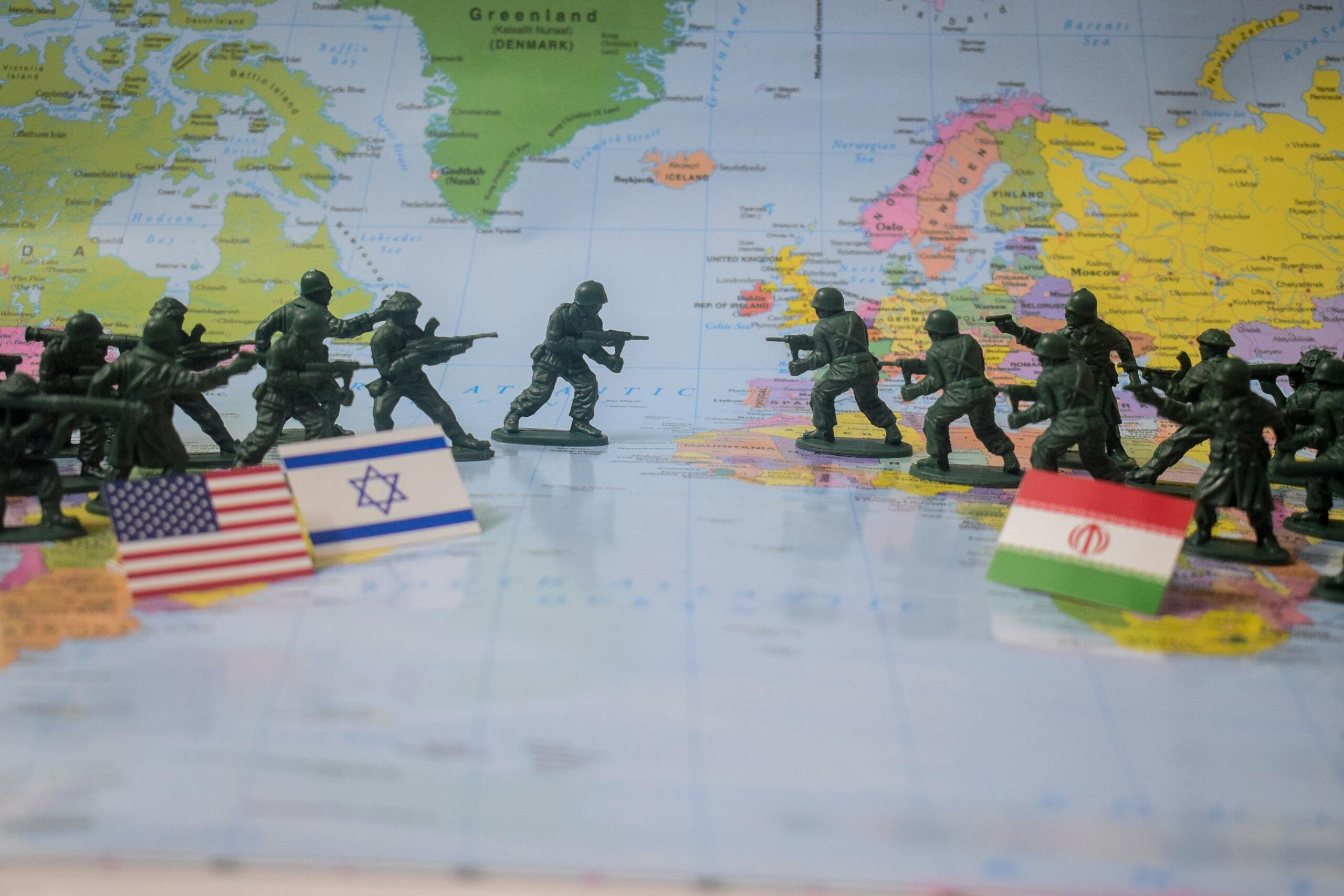

Stretching just 33 kilometers at its narrowest point, the Strait of Hormuz is one of the most strategically vital waterways on the planet. Connecting the Persian Gulf to the Arabian Sea, it serves as the primary export corridor for roughly 20% of the world's oil supply. When this passage functions freely, global energy markets remain stable. When it doesn't, the consequences ripple across continents.
In recent weeks, the question dominating energy markets and foreign ministries alike is whether iran closes strait of hormuz operations that have long been threatened are now becoming reality. Iranian authorities have taken a series of escalatory steps that have effectively disrupted commercial shipping through the strait, sending oil prices surging and diplomatic lines burning.
The Strait of Hormuz is not just a shipping lane it is the jugular vein of the global economy. Any disruption there is felt in every capital on earth.
Energy security analyst, Atlantic Council


Understanding the Strait of Hormuz
Geographical Significance
The Strait of Hormuz sits between Iran to the north and the United Arab Emirates and Oman to the south. At its narrowest, it spans only two shipping lanes each just three kilometers wide making it one of the most congested chokepoints in maritime history. Its unique geography means there is no viable bypass for most Persian Gulf oil exporters.
The strait connects the Persian Gulf's oil-rich waters to the Gulf of Oman and, ultimately, the Arabian Sea and Indian Ocean. For tankers leaving Saudi Arabia, Kuwait, Iraq, Qatar, Bahrain, or the UAE, passing through the strait is not optional it is the only way out.
Economic Importance
Every single day, approximately 17 to 21 million barrels of crude oil and petroleum products pass through the Strait of Hormuz. That figure represents roughly one-fifth of global oil consumption and nearly one-third of all liquefied natural gas (LNG) traded worldwide. Saudi Arabia alone exports over 6 million barrels per day through the strait, while Iraq, the UAE, Kuwait, and Qatar collectively add millions more.
The countries most exposed to a sustained closure include Japan, South Korea, India, and China all of which depend heavily on Persian Gulf crude. Europe, while more diversified in its energy imports, is far from immune to the price shocks that a prolonged disruption would trigger.
Iran's Closure of the Strait: Context and Motivations
Recent Developments
Understanding why iran closes strait of hormuz access has become a flashpoint requires looking at the sequence of events over recent months. Tensions between Tehran and Washington escalated sharply following renewed U.S. sanctions targeting Iranian oil exports. Simultaneously, Iran's nuclear program negotiations stalled, removing a key diplomatic pressure valve.
January 12, 2026
The Economic Trigger
The U.S. reimposed expanded sanctions on Iranian crude exports, effectively blocking Tehran's primary revenue source.
February 18, 2026
Retaliation on the Water
Iran's Islamic Revolutionary Guard Corps (IRGC) seized a commercial tanker in Gulf waters, citing violations of Iranian maritime law.
March 22, 2026
Military Show of Force
Iran conducted naval exercises near the strait's northern shipping lanes, a move widely interpreted as a warning signal to international powers.
April 05, 2026
Bureaucratic Restrictions
Iranian authorities officially announced new restrictions on foreign naval movements near the strait, escalating diplomatic friction.
June 08, 2026 (Present)
Global Economic Impact
Commercial insurers officially reclassified the strait as a high-risk zone. This move has triggered mass shipping delays, sent freight insurance premiums skyrocketing, and disrupted global supply chains.
Iran's Stated Reasons
Iranian officials have framed the disruption through several overlapping justifications. Supreme Leader Ayatollah Ali Khamenei characterized the move as a "legitimate response to economic warfare" a direct reference to U.S. sanctions. Foreign Minister statements have tied any potential reversal to guarantees that Iran can freely export its oil.
Tehran's demands include the lifting of unilateral sanctions, guarantees of non-interference in Iranian domestic affairs, and recognition of Iran's right to enrich uranium under the Non-Proliferation Treaty framework. These are not new demands but the willingness to use the strait as leverage marks a significant escalation.
The strait handles ~21 million barrels/day of oil
There is no alternative pipeline route for most Gulf states
Iran has threatened closure at least 6 times since 2008
This is the first time enforcement measures have materially disrupted traffic
Global Repercussions of the Closure
Impact on Global Oil Prices
The market's reaction was immediate. Within 48 hours of confirmed reports that iran blocking strait of hormuz passage was disrupting tanker traffic, Brent crude surged more than 12%, breaching $100 per barrel a psychological threshold that markets had not seen in years. West Texas Intermediate (WTI) followed closely, and energy stocks across global exchanges spiked.
Analysts from major investment banks have modeled multiple scenarios. In a short-term disruption of two to four weeks, they project prices stabilizing between $95 and $110 per barrel as strategic reserves are tapped. A prolonged blockade lasting more than 60 days, however, could push prices well beyond $130 per barrel with cascading effects on inflation, supply chains, and monetary policy worldwide.
Economic Consequences for Affected Nations
Japan and South Korea are among the hardest-hit economies. Both countries import over 80% of their crude oil from the Persian Gulf, and neither has sufficient strategic reserves to weather a disruption lasting more than 90 days. Tokyo has convened emergency energy cabinet meetings, while Seoul has reached out to U.S. counterparts about coordinating reserve releases.
India faces a dual challenge: it is both a major importer of Persian Gulf crude and a significant exporter of refined products to the region. Higher oil prices squeeze India's import bill while also disrupting its refining sector's supply chains.
China, the world's largest crude importer, has taken a more cautious public stance but privately, Beijing has been actively securing alternative supply from Russia and Central Asian pipelines.
Geopolitical Tensions and Regional Dynamics
Iran's Relations with Neighboring Countries
The question of why is iran attacking uae interests in the region predates the current crisis by decades. Iran and the UAE have long disputed sovereignty over three strategic islands Abu Musa and the Greater and Lesser Tunbs seized by Iran in 1971. Beyond territorial disputes, the UAE's close military and economic ties with the United States place it squarely in Tehran's adversarial calculus.
Historically, the Gulf Cooperation Council (GCC) comprising Saudi Arabia, UAE, Kuwait, Qatar, Bahrain, and Oman has maintained a unified front against Iranian expansionism. But the current crisis has exposed fractures. Qatar, which shares a massive natural gas field with Iran, has been notably quieter in its condemnation. Oman, which hosts the southern entrance to the strait, has offered to mediate.
| Country | Position on Crisis | Key Interest |
|---|---|---|
| Saudi Arabia | Strong condemnation | Oil exports via strait |
| UAE | Strong condemnation | Trade hub, strait access |
| Qatar | Muted response | Iran gas field partnership |
| Oman | Mediation offer | Southern strait border |
| Iraq | Diplomatic neutrality | Oil export dependency |
The United States and International Response
Washington's response has been forceful. The U.S. Fifth Fleet, headquartered in Bahrain, placed additional naval assets in the region within 72 hours of the crisis escalation. The Pentagon confirmed that carrier strike groups were repositioned to ensure freedom of navigation operations could be maintained if required.
Understanding why is iran attacking uae and broader Gulf stability requires recognizing that the U.S. sees any sustained strait closure as a direct threat to allies and global economic order. Secretary of State statements made clear that any deliberate act of piracy or closure of international waterways would be met with "serious consequences."
The United Nations Security Council convened an emergency session, though prospects for a binding resolution were complicated by Russian and Chinese reluctance to support language condemning Iran directly.
Potential Resolutions and Future Outlook
Diplomatic Efforts
Despite the escalatory rhetoric, multiple diplomatic back-channels remain active. Oman which has historically served as a quiet intermediary between Iran and the West has been hosting meetings between Iranian and American officials. The Swiss government, which represents U.S. interests in Tehran, has also been engaged.
The International Maritime Organization (IMO) has condemned the disruptions and called for immediate restoration of safe passage for commercial vessels. The European Union, while not a military power in the region, has offered to revive a broader diplomatic framework linking sanctions relief to verifiable nuclear commitments a variation of the JCPOA structure.
Comprehensive Plan of Action was a 2015 agreement limiting Iran's nuclear program in exchange for sanctions relief. The U.S. withdrew in 2018; subsequent negotiations have stalled repeatedly. Reviving a similar framework is central to most diplomatic proposals for resolving the current crisis.
Most analysts project severe fuel shortages in Asia, sustained oil prices above $120/barrel, and significant political instability in energy-dependent developing economies.
Long-Term Implications
The current crisis, regardless of how it resolves, will accelerate several structural shifts in global energy. First, investment in alternative pipeline infrastructure will intensify particularly the UAE's Fujairah bypass and Saudi Arabia's Petroline expansion. Second, countries with high Persian Gulf exposure will accelerate diversification toward U.S. LNG, African producers, and renewable energy.
Perhaps most significantly, the episode reinforces that iran closes strait of hormuz threats are not merely rhetorical. The world has now seen that Tehran is willing to impose real costs on global trade and that no multilateral mechanism exists to quickly reverse such action. The long-term lesson for policymakers is sobering: the international order's most critical chokepoints remain deeply vulnerable.
As for why is iran attacking uae interests and those of other GCC states, the answer is ultimately rooted in a decades-long contest for regional primacy one that shows no signs of resolution. The Strait of Hormuz, for now, remains the world's most dangerous 33 kilometers.
Summarise with AI:
Did you like this article? Leave a rating!

 Loading...