


Learning how to greet someone is always the first step in connecting with a new culture. When you're exploring how are you in Bengali, you're not just picking up a phrase you're opening a door to one of the world's richest linguistic traditions. Bengali, spoken by over 230 million people across Bangladesh and India's West Bengal state, carries centuries of poetic heritage and warm social customs. Whether you're traveling to Dhaka, connecting with Bengali colleagues in Dubai where many also pursue an Arabic course, or simply expanding your language skills, knowing how to greet people properly will make an immediate and lasting impression.
Greetings in Bengali vary depending on the relationship between speakers formality matters, and using the wrong register can feel awkward. This guide walks you through the exact phrases, pronunciation, responses, and cultural context you need to communicate naturally and respectfully.

Informal: তুমি কেমন আছো? — Tumi kemon achho? ("How are you?" friends & peers)
Formal: আপনি কেমন আছেন? — Apni kemon achen? ("How are you?" elders & professionals)


Understanding Formal and Informal Greetings in Bengali
Bengali, like many South Asian languages, has a grammatically built-in distinction between formal and informal address. This isn't just a matter of word choice the verb endings themselves change based on whether you're speaking to someone older, someone in authority, or a close friend. Understanding this before you dive into how are you in Bengali will save you from unintentional rudeness.
Formal Greetings — আপনি কেমন আছেন?
The formal phrase is আপনি কেমন আছেন? (Apni kemon achen?). Use this when:
- Speaking with elders, parents, teachers, or bosses
- Meeting someone for the first time in a professional context
- Addressing strangers, especially in urban or business settings
Pronunciation breakdown:
- Apni — up-nee (you, formal)
- kemon — kay-mon (how / what kind)
- achen — ah-chen (are you, formal present)
Stress falls gently on the first syllable of each word. Bengali pronunciation is generally syllable-timed, meaning you shouldn't over-stress any single syllable.
Informal Greetings — তুমি কেমন আছো?
The informal version is তুমি কেমন আছো? (Tumi kemon achho?). This is the everyday, casual form of how are you in Bengali, appropriate among:
- Close friends and classmates
- Siblings and cousins
- Younger people speaking to peers
Pronunciation breakdown:
- Tumi — too-mee (you, informal)
- kemon — kay-mon (how)
- achho — ah-chho (are you, informal present the "chh" is aspirated)
Note that there is an even more intimate form তুই কেমন আছিস? (Tui kemon achhis?) used only with very close friends or younger children. Avoid this unless you are very familiar with the person.
| Context | Bengali Script | Romanization | English Meaning |
|---|---|---|---|
| Formal (elders, strangers) | আপনি কেমন আছেন? | Apni kemon achen? | How are you? (formal) |
| Informal (friends, peers) | তুমি কেমন আছো? | Tumi kemon achho? | How are you? (casual) |
| Very intimate (close friends) | তুই কেমন আছিস? | Tui kemon achhis? | How are you? (very close) |
Common Responses to "How Are You?" in Bengali
Knowing how are you in Bengali is only half the conversation. Native speakers will expect you to understand and respond naturally. Here are the most common replies grouped by tone.
Positive Responses
- আমি ভালো আছি। — Ami bhalo achhi. — "I am well / good."
- ভালো আছি, ধন্যবাদ। — Bhalo achhi, dhonnobad. — "I'm well, thank you."
- খুব ভালো আছি। — Khub bhalo achhi. — "I'm very well."
Neutral Responses
- চলছে। — Cholche. — "It's going." / "Getting by."
- মোটামুটি। — Motamuti. — "So-so." / "Average."
- ঠিক আছি। — Thik achhi. — "I'm alright."
Negative Responses
- ভালো নেই। — Bhalo nei. — "Not well."
- একটু অসুস্থ। — Ektu osustho. — "A little unwell."
- মন ভালো নেই। — Mon bhalo nei. — "I'm not in a good mood." (lit. "My mind is not good.")
In Bengali culture, asking 'কেমন আছেন?' is more than politeness it's an invitation to connect.
Bengali saying / Bengali cultural wisdom
The Bengali Alphabet and Pronunciation
Overview of the Bengali Alphabet
The Bengali alphabet known as বাংলা লিপি (Bangla lipi) — is an abugida script, meaning each consonant carries an inherent vowel sound that can be modified with diacritical marks. It is written from left to right, making it more accessible for English speakers than Arabic or Hebrew scripts.
The Bengali alphabet contains:
- 11 vowels (স্বরবর্ণ — sharoborño)
- 39 consonants (ব্যঞ্জনবর্ণ — byonjonborño)
Each letter in the Bengali alphabet has a distinct form that differs from the Latin alphabet, but the script is highly phonetic once you learn the sounds, reading follows logically. The Bengali alphabet is closely related to Devanagari (used for Hindi) but has its own elegant, flowing style with distinctive curves and horizontal top lines called the matra.
Bengali is the 7th most spoken language in the world and the national language of Bangladesh. It is also one of India's 22 officially recognized languages. The Bengali alphabet inspired the design of the currency symbol of Bangladesh the Taka (৳).
Pronunciation Tips for English Speakers
Bengali has several sounds that don't exist in English. Here are the most important ones to master before using how are you in Bengali in conversation:
- Aspirated consonants: Sounds like kh, gh, chh, jh are common. The "h" adds a breathy puff of air. Practice: achho (আছো) — the double-h signals aspiration.
- The "ô" sound: The vowel অ is often pronounced like the "o" in "hot" — not "oh." So Apni sounds closer to "aw-pnee" than "ay-pnee."
- Retroflexes: Bengali has "retroflex" sounds (ট, ড) where the tongue curls back. These sound slightly "thicker" than English t and d.
- No strong stress: Bengali doesn't have heavy word stress like English. Keep your rhythm even and smooth.
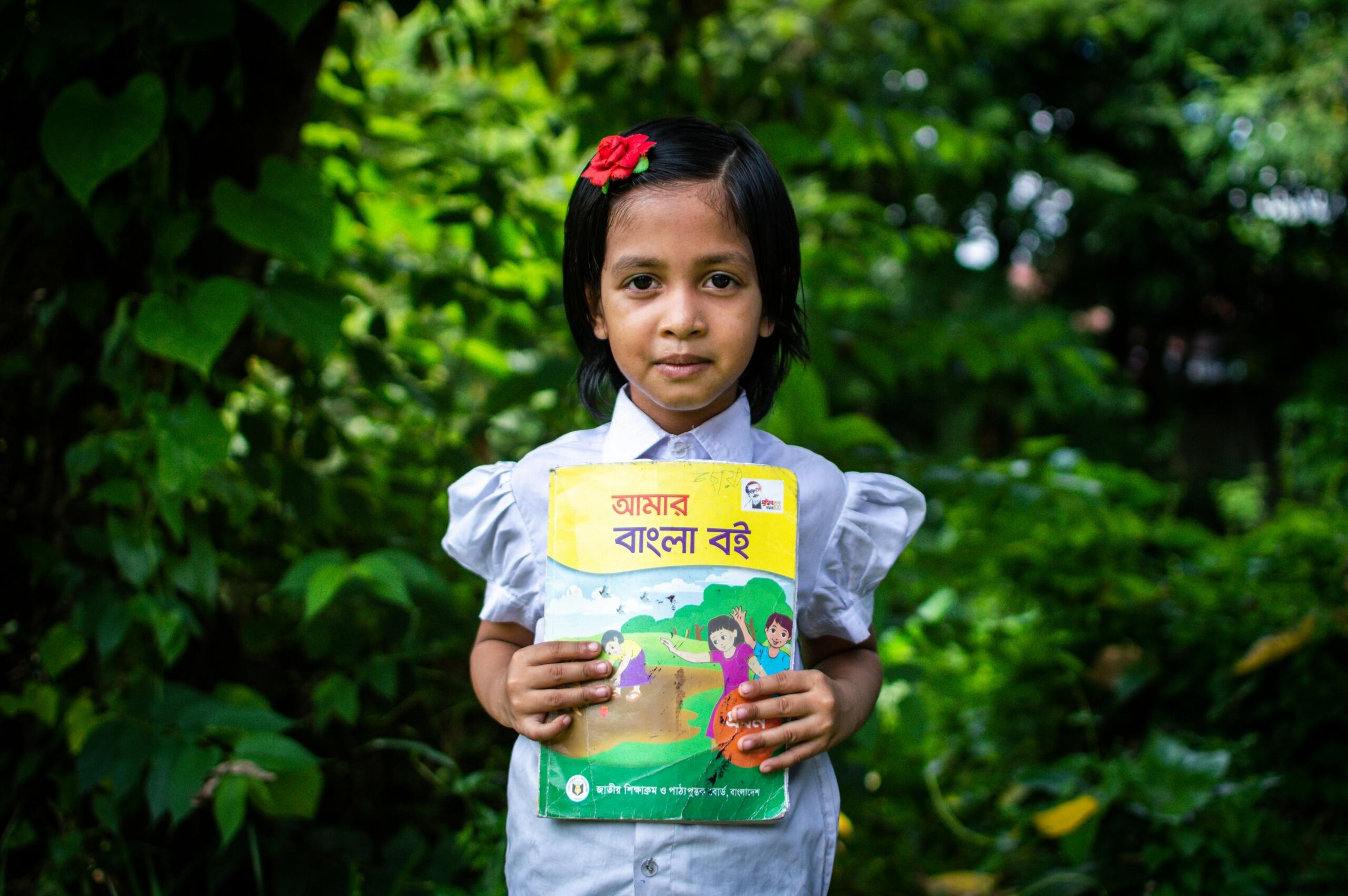
Translating Common English Phrases to Bengali
Once you've mastered how to say how are you in Bengali, expanding your vocabulary becomes much easier. The structure of Bengali sentences follows a Subject-Object-Verb (SOV) pattern, which differs from English's Subject-Verb-Object. When you translate to Bengali, keep in mind that verbs come at the end of the sentence.
Greetings and Basic Phrases
Here are essential phrases to translate to Bengali for everyday interaction:
| English | Bengali Script | Romanization |
|---|---|---|
| Hello | হ্যালো / নমস্কার | Hello / Nomoshkar |
| Good morning | শুভ সকাল | Shubho shokal |
| Good night | শুভ রাত্রি | Shubho ratri |
| Thank you | ধন্যবাদ | Dhonnobad |
| You're welcome | আপনাকে স্বাগতম | Apnake shagotom |
| Please | দয়া করে | Doya kore |
| Sorry / Excuse me | মাফ করবেন | Maaf korben |
| My name is… | আমার নাম… | Amar nam… |
| Nice to meet you | আপনার সাথে পরিচিত হয়ে ভালো লাগলো | Apnar shathe porichito hoye bhalo laglo |
Cultural Considerations in Translation
When you translate to Bengali, a direct word-for-word approach often misses the cultural nuance. A few important points:
Respect through pronouns: Bengali has three levels of "you" apni (formal), tumi (friendly), and tui (intimate). Choosing the wrong one signals either coldness or disrespect. When in doubt, use apni.
Greetings vary by religion: Muslim Bengali speakers often greet with আসসালামুআলাইকুম (Assalamu Alaikum), while Hindu speakers may use নমস্কার (Nomoshkar). Both communities also use the more secular হ্যালো (Hello) in urban contexts.
Age and hierarchy: Always greet the oldest person in the room first. Failing to do so is considered impolite. Adding honorifics like dada (older brother), didi (older sister), or uncle/aunty is common and shows respect.
Learn Bengali Greetings in Action
Hearing a language is just as important as reading it. You can study how are you in Bengali on paper all day, but the moment you hear a native speaker say "আপনি কেমন আছেন?" out loud, everything clicks into place. Pronunciation, rhythm, and tone are nearly impossible to capture fully in text that's where video becomes your best learning tool.
The short video below walks you through the most essential Bengali greetings. Pay close attention to the aspiration on sounds like achho and achen that soft, breathy quality is what separates a natural Bengali speaker from a textbook one.
Watch it through once without pausing, then replay it phrase by phrase and repeat out loud. Even five minutes of active listening practice will do more for your pronunciation than a full hour of silent reading. Bengali has a beautiful, musical rhythm trust your ear.
Additional Resources for Learning Bengali
Online Courses and Apps
Building on knowing how are you in Bengali, these platforms will help you go further:
- Duolingo — Offers a Bengali course with gamified daily lessons. Ideal for beginners who want structured, bite-sized practice.
- iTalki — Connect with native Bengali tutors for one-on-one conversation practice. Great for refining your pronunciation of the Bengali alphabet sounds.
- Pimsleur Bengali — Audio-first method that trains your ear and speaking rhythm without requiring you to read the Bengali alphabet immediately.
- BengaliPod101 — Podcast-style lessons with cultural commentary, vocabulary, and downloadable resources.
Books and Study Materials
- "Teach Yourself Bengali" by William Radice — A classic, comprehensive self-study guide covering grammar, script, and vocabulary.
- "Colloquial Bengali" by Mithun Bhowmick — Focuses on spoken, everyday Bengali including how to translate to Bengali in practical situations.
- Anki Flashcard Decks — Search for community-made Bengali decks that cover the Bengali alphabet, greetings, and common phrases.
Practice with Native Speakers
The fastest way to internalize how are you in Bengali and everything beyond is real conversation. Here are practical ways to find speaking partners:
- Superprof — One of the most effective ways to learn Bengali fast. Find native-speaking Bengali tutors for one-on-one online or in-person lessons, tailored entirely to your level and goals. Superprof tutors can correct your pronunciation from day one including those tricky aspirated sounds in achho and achen.
- Tandem App — A language exchange app where you can find Bengali speakers learning English in the UAE or elsewhere. You teach them English; they teach you Bengali.
- HelloTalk — Similar to Tandem, with built-in translation and voice message features.
- Local community groups — In cities with large Bengali diaspora communities — including Dubai, where Arabic is the official language look for cultural associations, community centers, or events where Bengali is spoken naturally
- Reddit communities — r/learn_bengali is an active community where learners share resources and native speakers offer help.
Every great conversation in Bengali starts with two small words: কেমন আছেন? Learn those, and the rest will follow.
Learning how are you in Bengali is a small step that opens up an enormous cultural world. From the formal আপনি কেমন আছেন? to the friendly তুমি কেমন আছো?, every phrase reflects a layer of respect, warmth, and relationship. The Bengali alphabet may look unfamiliar at first, but its phonetic logic makes it learnable and even just recognizing a few letters will delight native speakers. As you continue to translate to Bengali and build your vocabulary, remember that language learning is ultimately about human connection. Start with a greeting. Ask how someone is. And let the conversation take you from there.
Summarise with AI:
Did you like this article? Leave a rating!

 Loading...