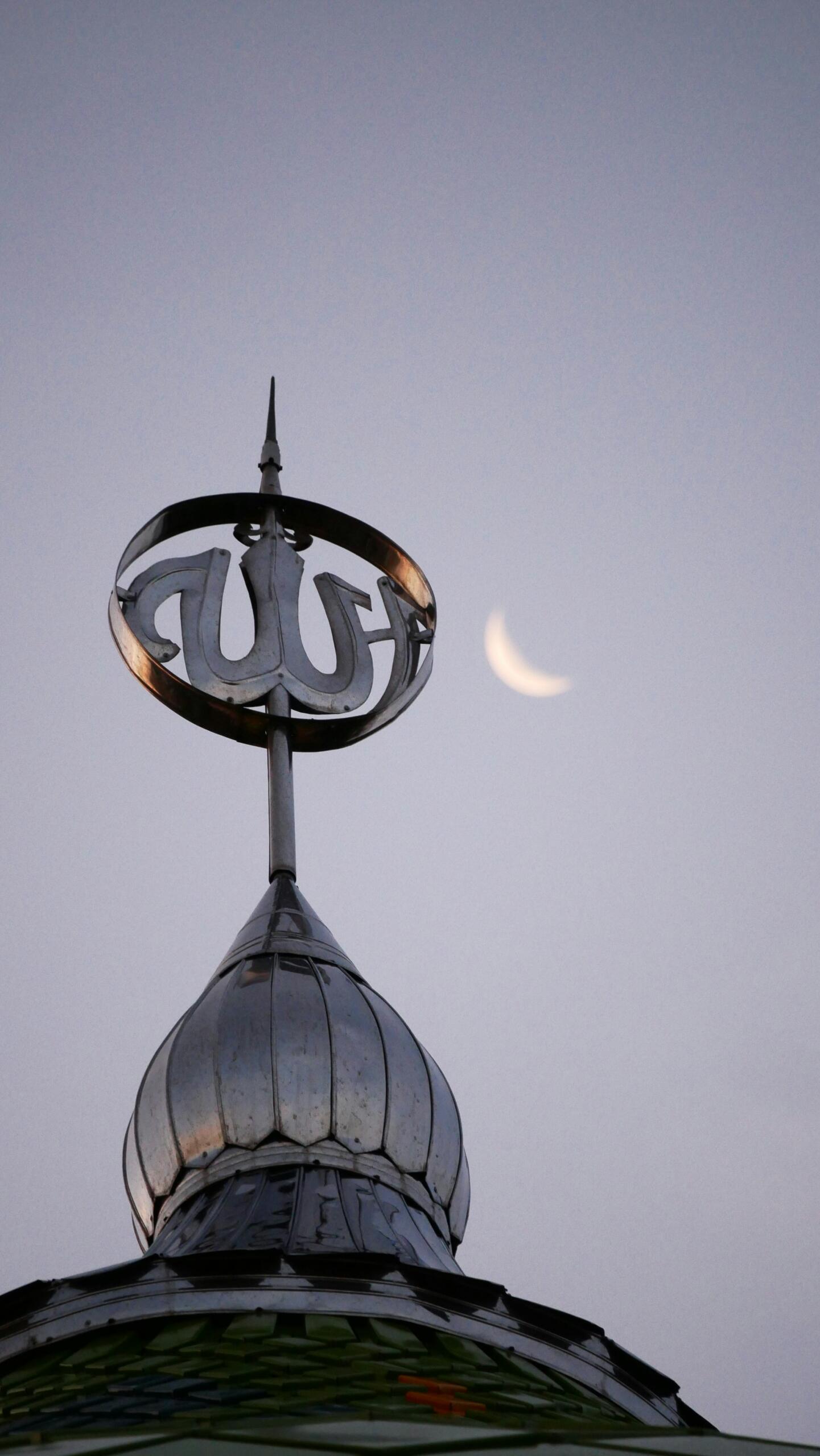

Billions of Muslims around the world follow a distinct system for marking time the Islamic year, also known as the Hijri calendar. While most of the world uses the Gregorian solar calendar for daily life, the Islamic year governs religious worship, spiritual milestones, and sacred observances. Understanding what is Islamic year and how it works unlocks deeper insight into Islamic faith, history, and culture. This guide covers the structure of the Hijri calendar, its historical origins, key religious events, and how it differs from the Gregorian system.


What Is the Islamic Year?
The Islamic year is a purely lunar calendar consisting of 12 months and approximately 354 or 355 days about 10 to 11 days shorter than the Gregorian solar year. Because of this difference, the Islamic year gradually shifts backward through the Gregorian calendar, completing a full cycle approximately every 33 years. As of May 2026, the current Islamic year is 1447 AH (Anno Hegirae), meaning "Year of the Hijra."
The term Hijri comes from the Arabic word Hijra, referring to the Prophet Muhammad's migration from Mecca to Medina. This event serves as the anchor point of the entire calendar, making the Hijri system not just a timekeeping tool but a profoundly spiritual one.
The Hijrah refers to the migration of the Prophet Muhammad ﷺ and his companions from Mecca to Medina in 622 CE. This event marked the founding of the first Muslim community and became the starting point Year 1 AH of the Islamic year system. The second Caliph, Umar ibn al-Khattab, formally established the Hijri calendar in 638 CE, choosing the Hijrah as the defining moment of Islamic history. Every year in the Hijri calendar is counted from this sacred migration.
Islam Began in What Year? Historical Origins of the Calendar
Islam began in what year? is one of the most common questions asked by those exploring Islamic history. The answer depends on what we define as "beginning." The first revelation of the Quran was received by the Prophet Muhammad ﷺ around 610 CE, widely accepted as the spiritual birth of Islam. However, the Islamic year calendar officially begins in 622 CE, the year of the Hijrah.
So while Islam as a faith began around 610 CE, the Hijri calendar starts from 622 CE a distinction that matters when understanding dates in Islamic history. The calendar was not created during the Prophet's lifetime but was formalized by Caliph Umar ibn al-Khattab in 638 CE, approximately six years after the Prophet's passing.
610 CE
First revelation of the Quran to Prophet Muhammad ﷺ in the Cave of Hira; Islam begins as a faith
622 CE
The Hijrah: Prophet Muhammad ﷺ migrates from Mecca to Medina; Year 1 AH begins
624 CE
Battle of Badr, the first major military event of the young Muslim community
628 CE
Treaty of Hudaybiyyah; pilgrimage rights recognized
630 CE
Conquest of Mecca
632 CE
Final Hajj pilgrimage of the Prophet ﷺ; his passing later that year
638 CE
Caliph Umar ibn al-Khattab formally establishes the Hijri calendar
2026 CE / 1447 AH
The current Islamic year as observed by over 1.8 billion Muslims worldwide
Structure of the Islamic Year: Months and Days
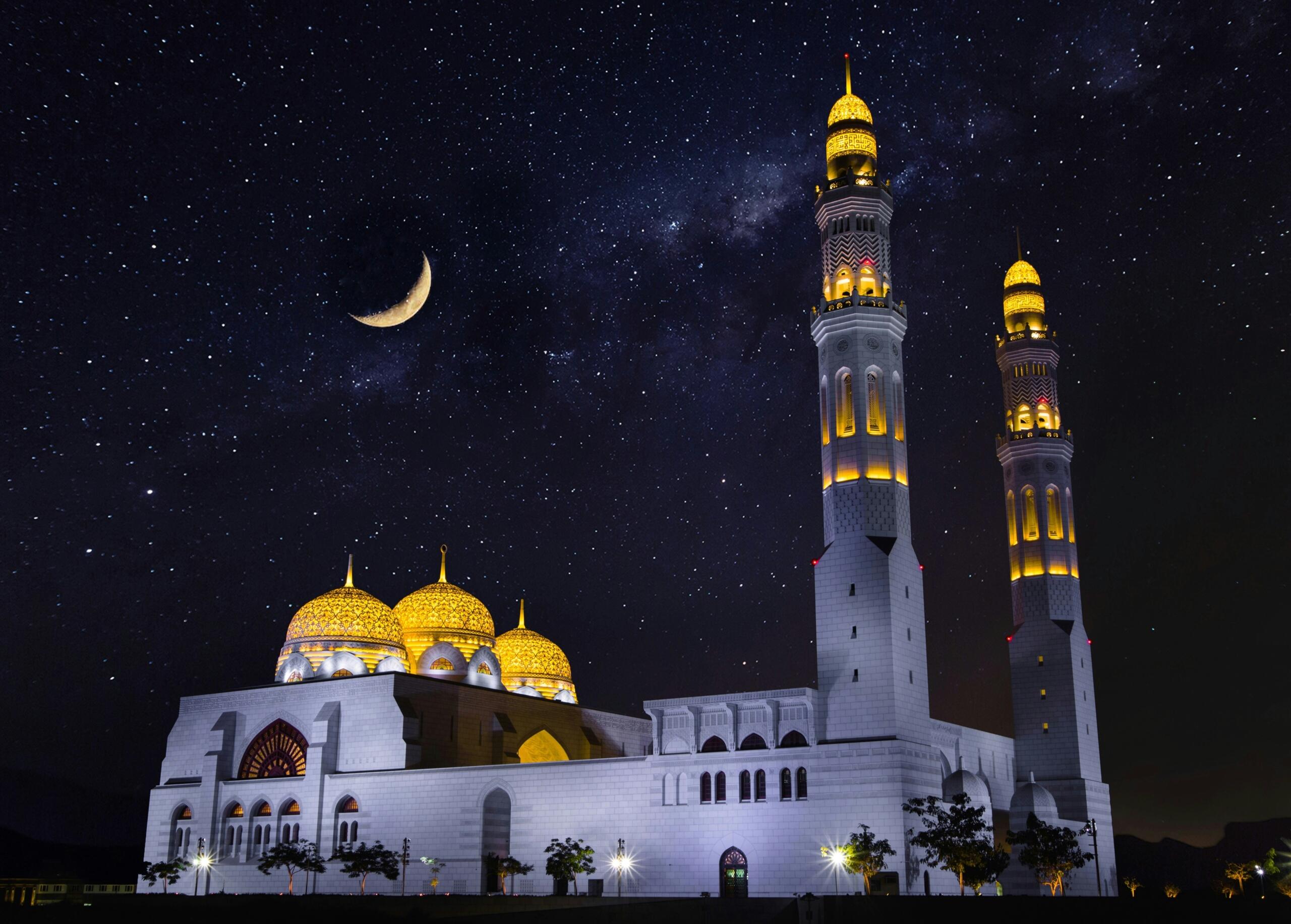
The Islamic year is made up of 12 lunar months. Each month begins with the sighting of the crescent moon (hilal) and lasts either 29 or 30 days. Some Islamic communities rely on astronomical calculation rather than physical moon sighting, which can result in slight regional variations in the start dates of months.
Significance of the Islamic Year: Faith, Fasting, and Festivals
The Islamic year is not merely an administrative calendar, it is a living spiritual framework. Every month carries its own weight in Islamic devotion and practice, and several months are marked by events that define Muslim life worldwide.
Ramadan is arguably the most recognized month of the Islamic year. During this month, Muslims fast from dawn to sunset, abstaining from food, drink, and sinful behavior, focusing on prayer, Quran recitation, and charity. The month culminates in Eid al-Fitr, a joyous celebration of breaking the fast.
Dhū al-Ḥijjah marks the season of Hajj, one of the Five Pillars of Islam. Muslims who are physically and financially able are required to perform the pilgrimage to Mecca at least once in their lifetime. The 10th of Dhū al-Ḥijjah is Eid al-Adha, the Festival of Sacrifice, commemorating the willingness of Ibrahim (Abraham) to sacrifice his son in obedience to God.
Muḥarram, the first month of the Islamic year, begins with the Islamic New Year a moment when Muslims around the world exchange heartfelt wishes and greetings with one another. The 10th of Muḥarram Ashura holds particular significance, especially for Shia Muslims who commemorate the martyrdom of Husayn ibn Ali at Karbala.
Time is a trust given to us by Allah. The Islamic calendar reminds us that our days, months, and years are not our own, they belong to a divine order, and within that order we find our purpose.
Sheikh Yusuf al-Qaradawi, renowned Islamic scholar and jurist
What Year Is It in Islam? Current Date and Conversion
What year is it in Islam? As of May 2026, the Islamic year is 1447 AH. The designation "AH" stands for Anno Hegirae, Latin for "Year of the Hijra." The Islamic New Year 2026, which carries its own dates, traditions, and spiritual significance, is expected to begin around late June 2026, depending on moon sighting.
To convert a Gregorian year to a Hijri year, you can use the following approximate formula:
AH = (Gregorian Year − 622) × (33/32)
For example: (2026 − 622) × (33/32) ≈ 1447 AH
Because the Islamic year is approximately 10–11 days shorter than the Gregorian year, Islamic months rotate through all Gregorian seasons over a 33-year cycle. This means Ramadan, for example, has occurred in winter, spring, summer, and fall within the lifetime of a single person.
For precise daily conversion, dedicated tools such as the IslamicFinder date converter or timeanddate.com's Hijri calculator provide accurate results accounting for regional moon-sighting differences.
Islamic Year vs. Gregorian Year: Key Differences
Understanding what is Islamic year is easier when contrasted with the Gregorian calendar most of the world uses:
The most fundamental difference is the basis of timekeeping. The Gregorian calendar is solar, it tracks Earth's orbit around the sun, resulting in a 365 or 366-day year. The Islamic year is strictly lunar each month tracks the moon's cycle, resulting in a 354 or 355-day year.
Unlike the Hebrew calendar, which is lunisolar and adds intercalary months to stay aligned with seasons, the Islamic year makes no such adjustment. This is considered a deliberate feature: the Quran (9:36–37) forbids intercalation (nasi'), keeping the lunar calendar pure and uncorrupted by solar alignment.
The practical consequence is that every Islamic holiday, Ramadan, Eid al-Fitr, Eid al-Adha, the Islamic New Year shifts approximately 10–11 days earlier each Gregorian year. Over roughly 33 Gregorian years, the Islamic year completes a full rotation through all seasons.
In terms of civil use, most Muslim-majority countries today use the Gregorian calendar for government, commerce, and daily administration but the Islamic year remains the definitive authority for religious life.
The Islamic Year in Modern Life
Today, the Islamic year continues to play a central role in the lives of approximately 1.8 billion Muslims globally. Governments of Gulf states like Saudi Arabia, Qatar, and the UAE where the Islamic New Year is observed as an official public holiday with distinct local traditions officially recognize Hijri dates on legal documents.
Beyond the Middle East, Muslim communities in Europe, North America, Southeast Asia, and Sub-Saharan Africa use the Islamic year calendar to schedule prayer timings, determine the start of fasting, and celebrate holidays sometimes navigating both Hijri and Gregorian systems simultaneously.
Digital tools have made following the Islamic year easier than ever. Smartphone apps, online calculators, and mosque websites publish annual Hijri-to-Gregorian conversion tables so Muslims worldwide can plan Ramadan, Eid, and Hajj dates well in advance.
The Islamic year is more than a calendar. It is a rhythm of devotion - a structure through which faith is lived, remembered, and renewed, month by month, crescent by crescent.
| # | Month Name | Days | Significance |
|---|---|---|---|
| 1 | Muḥarram | 30 | First month; Islamic New Year (1 Muharram); Ashura on 10th |
| 2 | Ṣafar | 29 | No major observance; historically considered a difficult month |
| 3 | Rabīʿ al-Awwal | 30 | Birth of the Prophet Muhammad ﷺ (Mawlid) |
| 4 | Rabīʿ al-Thānī | 29 | No major observance |
| 5 | Jumādā al-Awwal | 30 | No major observance |
| 6 | Jumādā al-Thānī | 29 | No major observance |
| 7 | Rajab | 30 | Sacred month; Isra and Mi'raj (Night Journey) |
| 8 | Shaʿbān | 29 | Night of Forgiveness (Laylat al-Baraat) |
| 9 | Ramaḍān | 30 | Month of fasting; revelation of the Quran; Laylat al-Qadr |
| 10 | Shawwāl | 29 | Eid al-Fitr on 1st; six fasts of Shawwal |
| 11 | Dhū al-Qaʿdah | 30 | Sacred month; no fighting permitted |
| 12 | Dhū al-Ḥijjah | 29/30* | Hajj pilgrimage; Eid al-Adha on 10th; 30 days in leap years |
Whether you are new to Islamic studies or deepening your knowledge, understanding the Islamic year its lunar structure, its Hijri origins, its sacred months, and its place in modern Muslim life is essential to appreciating one of the world's great religious traditions. What year is it in Islam? It is 1447 AH a number that carries 1,447 years of prayer, migration, perseverance, and faith. The Islamic year is not simply a system for counting days; it is a living testament to a civilization built on devotion, community, and an unbroken connection to the divine.
Summarise with AI:
Did you like this article? Leave a rating!

 Loading...