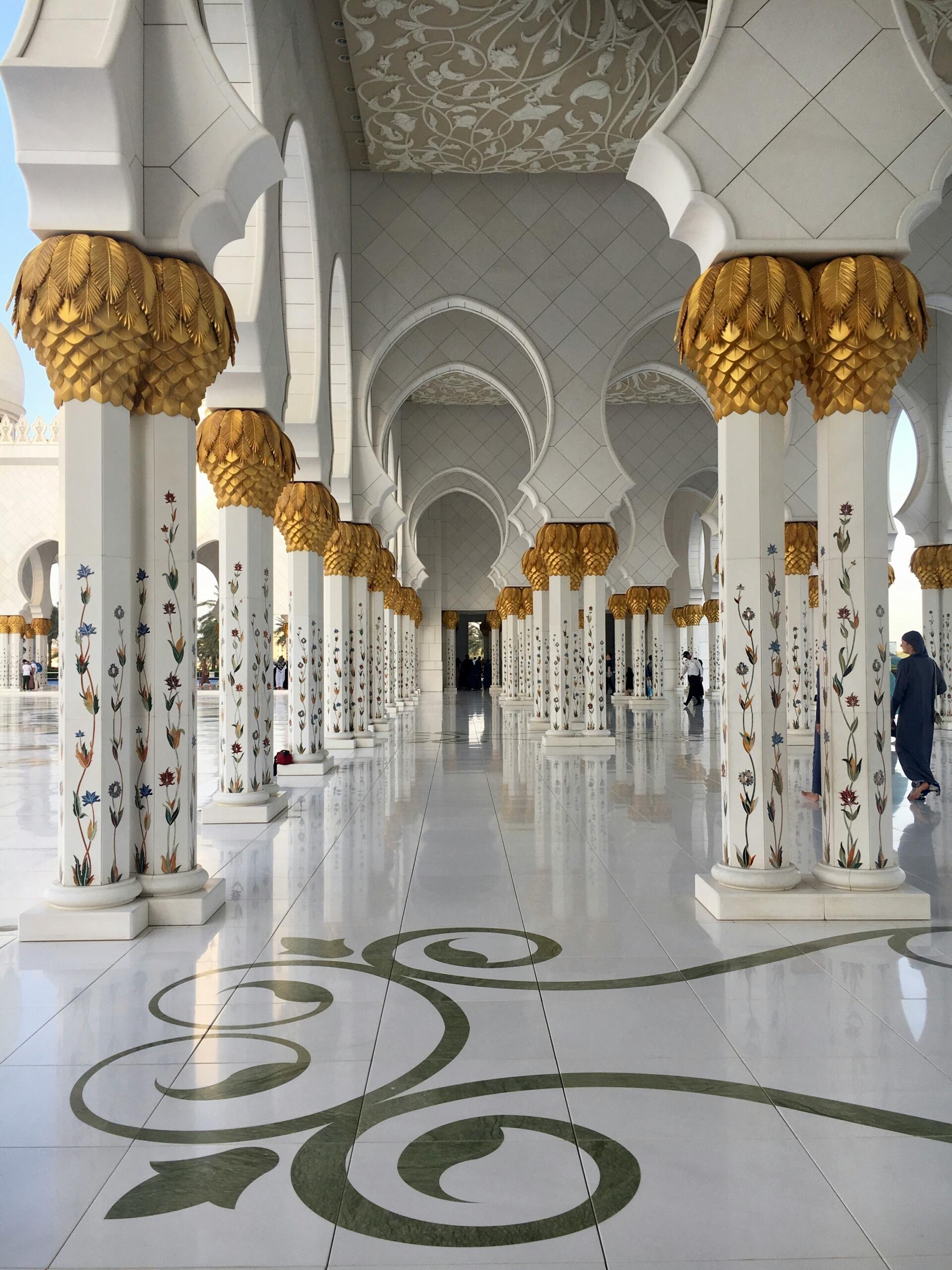

Every year, millions of Muslims around the world pause to mark the arrival of the happy Islamic new year a moment of spiritual reflection rather than extravagant celebration. Known as the Hijri New Year or Ras as-Sanah al-Hijriyah, this occasion carries deep historical and religious meaning that stretches back over fourteen centuries. Whether you are looking for the right words to send a loved one, want to understand the traditions behind this sacred time, or simply wish to approach the new Hijri year with greater intention, this guide covers everything from the history of the Hijri calendar to the most heartfelt islamic new year wishes you can share with family and friends.
Take benefit of five before five: your youth before your old age, your health before your sickness, your wealth before your poverty, your free time before your preoccupation, and your life before your death.
Prophet Muhammad ﷺ (Sahih, recorded by Ibn Abbas)


Understanding the Islamic New Year
Historical Significance
The Islamic New Year commemorates one of the most pivotal events in Muslim history: the Hijrah, or migration of the Prophet Muhammad (peace be upon him) from Mecca to Medina in 622 CE. This journey was not merely a physical relocation it marked the birth of the first Muslim community and laid the foundation for Islamic governance, brotherhood, and identity. It was the second Caliph, Umar ibn al-Khattab, who formally established the Hijri calendar based on this migration, making Muharram the first month of the Islamic year.
The Hijri Calendar
Unlike the Gregorian calendar, the Hijri calendar is purely lunar-based, meaning each month begins with the sighting of the new crescent moon. A lunar year consists of 12 months totaling approximately 354 days around 11 days shorter than a solar year. This is why the Islamic New Year shifts earlier each year relative to the Gregorian calendar. The 12 months are: Muharram, Safar, Rabi al-Awwal, Rabi al-Thani, Jumada al-Awwal, Jumada al-Thani, Rajab, Sha'ban, Ramadan, Shawwal, Dhul Qi'dah, and Dhul Hijjah. Muharram, the first month, is considered one of the four sacred months in Islam.
The Hijri calendar began in 622 CE. We are currently in 1447 AH (Anno Hegirae "Year of the Hijra"), with 1448 AH beginning in June 2026.
Traditions and Observances
Spiritual Practices
Unlike New Year's celebrations in many cultures, the Islamic New Year is largely a time of quiet reflection and spiritual renewal. Muslims use this period to evaluate their personal conduct, seek forgiveness for past mistakes, and renew their commitment to faith. Many increase their recitation of the Quran, engage in voluntary fasting especially on the 9th and 10th of Muharram, known as the Day of Ashura and spend more time in prayer. Ashura holds special significance: it commemorates the day Prophet Musa (Moses) was saved from Pharaoh, and for Shia Muslims, it also marks the martyrdom of Imam Husayn at Karbala.
Cultural Variations
While the core spirit of the happy Islamic new year remains consistent reflection, gratitude, and spiritual growth how it is observed varies widely across the Muslim world. In some countries like Iran and parts of South Asia, communities gather for special prayers and lectures delivered by local scholars and imams. In Turkey, mosques hold special Muharram programs where the faithful come together to recite prayers and listen to sermons on the significance of the Hijri New Year. In others, the day passes quietly with personal reflection and family gatherings centered around shared meals and heartfelt conversation.
In West Africa, religious processions and communal meals are common and regardless of region, many look ahead to Islamic New Year 2026 as a fresh opportunity for spiritual renewal. In Southeast Asian countries like Malaysia and Indonesia, the occasion is marked with night vigils and community prayers. What unifies all these expressions across continents, cultures, and languages is the shared intention: to enter the new Hijri year with a purified heart, a grateful spirit, and renewed purpose before Allah.
Top 10 Islamic New Year Wishes & Messages
One of the most meaningful ways to mark this occasion is by reaching out to family and friends with sincere, faith-centered islamic new year wishes. Below are ten heartfelt messages you can share via text, social media, or a handwritten card.
Reflecting on the Past Year and Setting Intentions
Personal Reflection
The turn of the Hijri year is an invitation to look inward. Ask yourself honestly: Did I grow in my faith this year? Was I kind to those around me? Did I fulfill my obligations to Allah and to my community? This kind of self-audit known in Arabic as muhasabah is an essential practice for any Muslim who wishes to improve. Scholars throughout Islamic history have emphasized that without honest self-reflection, genuine spiritual growth remains out of reach. It is not enough to simply mark the passage of time; the new year must mean something deeper.
Rather than viewing the past year's shortcomings with regret, treat them as a road map for the year ahead. Every stumble carries a lesson, and every lesson carries the seed of growth. Every new year is a gift: a fresh opportunity to do better, to be more patient, more generous, and more present in your worship. Do not wait for the perfect moment this moment, right now, is where transformation begins.
Setting Spiritual Goals
As you send your happy new islamic year wishes to others, also set meaningful intentions for yourself. Consider committing to one new act of worship each month the Hijri months offer a natural rhythm to structure your spiritual goals throughout the year. Writing your intentions down makes them more tangible. Share them with an accountability partner. Let this happy Islamic new year mark a genuine turning point, not just a date on the calendar.
Memorize 3 new surahs
Fast on Mondays and Thursdays
Read one Islamic book per month
Perform night prayer (Tahajjud) twice a week
Give charity regularly, even a small amount
Common Misconceptions About the Islamic New Year
Clarifying Festive Misunderstandings
Many people unfamiliar with Islam assume that the happy Islamic new year is celebrated similarly to the Gregorian New Year with fireworks, parties, and countdowns. This is a common misconception. The Islamic New Year is not a public holiday in most Muslim-majority countries though in the UAE it is officially recognized with its own unique workplace rules and traditions.. There are no prescribed celebrations in Islamic law specifically for the New Year. The focus is entirely spiritual rather than social or commercial.
Understanding the Solemnity
This does not mean the occasion is somber or ignored. On the contrary, many Muslims warmly exchange islamic new year wishes, gather for lectures and remembrance, and use the time to connect with loved ones around shared values. The key distinction is that the celebrations are faith-centered rather than entertainment-centered. It is a time to draw closer to Allah not to replicate the consumerist New Year's experience common in Western cultures. Understanding this distinction is key to respecting and appreciating the true spirit of the Hijri New Year.
The happy Islamic new year is far more than a date on the calendar. It is a reminder of where the Muslim community came from, what it stands for, and where it is heading. The Hijra of the Prophet Muhammad ﷺ was an act of courage, sacrifice, and complete trust in Allah — and every Hijri New Year calls believers to reflect on those same values in their own lives. Whether you mark this occasion with quiet prayer, increased recitation of the Quran, or by sharing heartfelt islamic new year wishes with those you love, the most important thing is the sincerity of your intention.
May this new year be a source of barakah (blessing) for you and your family. May your happy new islamic year wishes reach the hearts of those who receive them. And may the year 1447 AH bring peace, guidance, and mercy to Muslims around the world. Eid Mubarak Muharram Mubarak and a truly blessed new beginning to all.
Summarise with AI:
Did you like this article? Leave a rating!

 Loading...