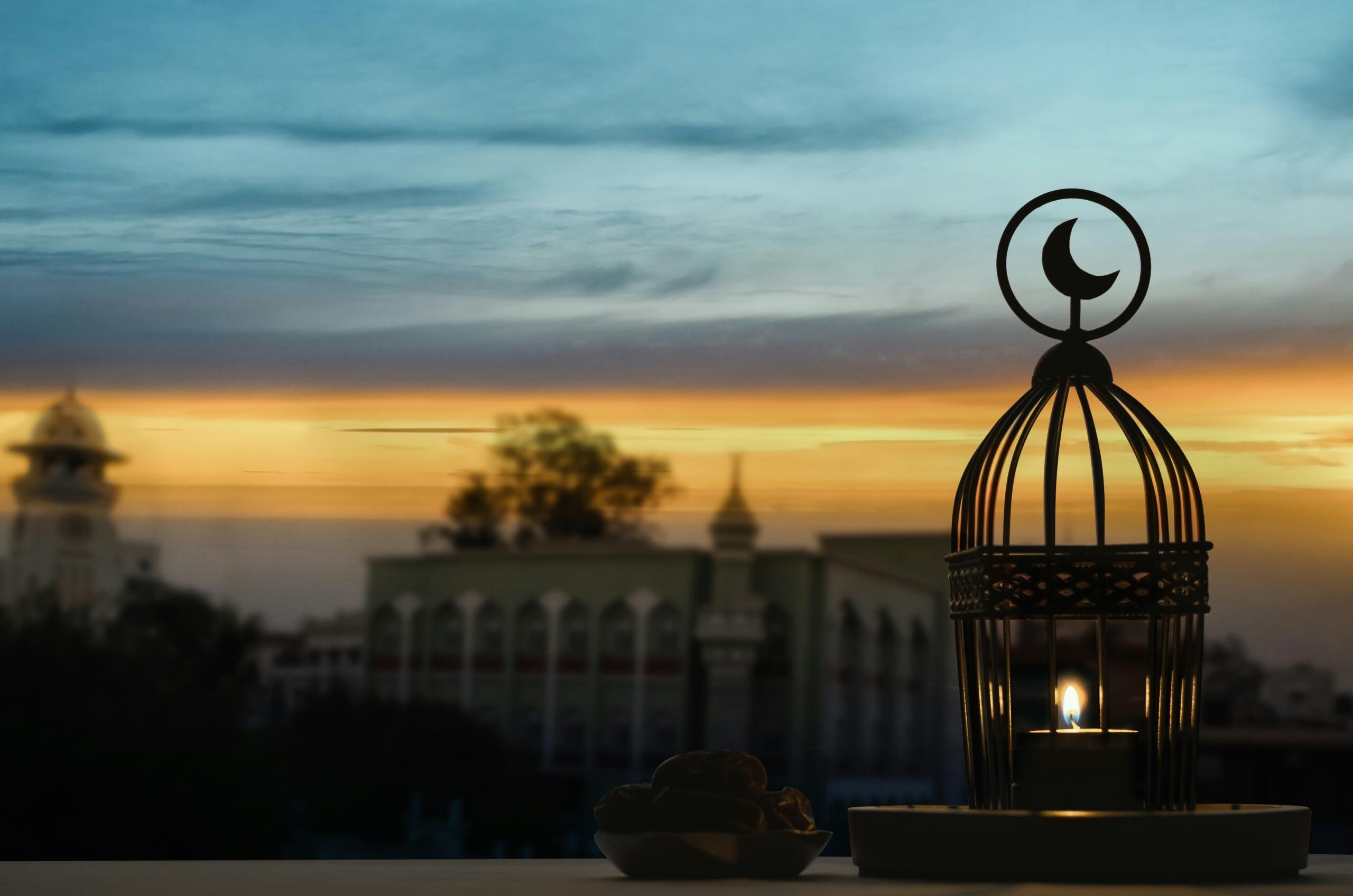

The Islamic New Year, also known as the Hijri New Year or Arabic New Year, marks the beginning of a new year in the Islamic lunar calendar a system rooted in centuries of faith and history. It is observed by Muslims around the world as a moment of spiritual reflection, remembrance, and renewal. Unlike many secular new year celebrations, the Islamic New Year is a time of quiet contemplation rather than grand festivities a return to one's faith, values, and purpose. The Islamic New Year 2026 is expected to begin on Tuesday, June 16, 2026, corresponding to 1 Muharram 1448 AH, subject to the official sighting of the crescent moon. As the Hijri calendar is based on lunar cycles, the exact date may vary by one day depending on geographic location and local moon-sighting traditions.
| 📅 Key Facts | Details |
|---|---|
| Islamic New Year 2026 Date | Tuesday, June 16, 2026 (est.) |
| Hijri Year | 1448 AH |
| First Month | Muharram |
| Calendar Type | Lunar (Hijri) |
| Days in Islamic Year | 354 or 355 days |


Significance of the Islamic New Year
Historical Background
The origins of the Islamic New Year are deeply tied to one of the most pivotal events in Islamic history: the Hijrah. In 622 CE, the Prophet Muhammad migrated from Mecca to Medina following years of persecution. This migration was not merely a physical journey it was the foundation upon which the first Muslim community and the first Islamic state were built.
The second Caliph, Umar ibn al-Khattab, later established the Islamic calendar to commemorate this defining moment. The calendar begins with the month of Muharram in the year of the Hijrah, which is why it is known as the Hijri calendar. The Islamic New Year thus serves as an annual reminder of sacrifice, resilience, and the establishment of a community founded on faith and justice.
Religious Importance
The Islamic New Year does not have specific rituals prescribed in the Quran or Hadith in the way Eid celebrations do. However, it holds profound religious importance as a time for Muslims to reflect on the journey of the Prophet and the sacrifices made by early Muslims. The month of Muharram itself is considered one of the four sacred months in Islam, making it a period of heightened spiritual awareness.
Many Muslims use the Islamic New Year as an opportunity to renew their intentions, seek forgiveness, and set goals aligned with their faith. It is a time to look inward to assess one's character, deeds, and relationship with Allah rather than celebrate outwardly.
"Muharram is a month of great sanctity. Use it to renew your intentions, reflect on the year that has passed, and set your heart toward what pleases Allah."
Islamic Scholars on the Significance of Muharram
Date and Observance of Islamic New Year 2026
Determining the Date
One of the most common questions asked about the Islamic New Year is: when exactly does it fall? The answer is not fixed, and that is by design. The Islamic calendar is a purely lunar calendar, meaning each month begins with the sighting of the new crescent moon. As a result, the Islamic New Year shifts approximately 11 to 12 days earlier each Gregorian year.
The Islamic New Year 2026 is anticipated to begin on June 16, 2026, marking the start of Muharram 1448 AH. However, the confirmed date depends on the actual sighting of the moon, which may differ by a day in various countries. Nations such as Saudi Arabia, Egypt, and Pakistan may announce slightly different dates based on their own moon-sighting committees and astronomical calculations.
🔄 Every year, the Islamic New Year shifts ~11 days earlier. That means in about
33 years, it completes a full loop through all seasons of the Gregorian calendar.
Global Observance
The Islamic New Year is observed differently across the Muslim world. In many Muslim-majority countries, the first day of Muharram is declared a public holiday, allowing citizens to reflect, pray, and spend time with family. Governments in countries such as Iraq, Kuwait, and the UAE, where the Islamic New Year is a national public holiday with its own unique traditions, officially mark the occasion
In other regions, the observance is more private mosques hold special lectures, scholars deliver sermons on the significance of Muharram, and individuals engage in personal acts of worship. In Shia Muslim communities, the first ten days of Muharram carry additional significance, culminating in the Day of Ashura on the 10th of Muharram, which commemorates the martyrdom of Imam Husayn ibn Ali at Karbala.
The Islamic Calendar and Its Structure
Lunar Calendar System
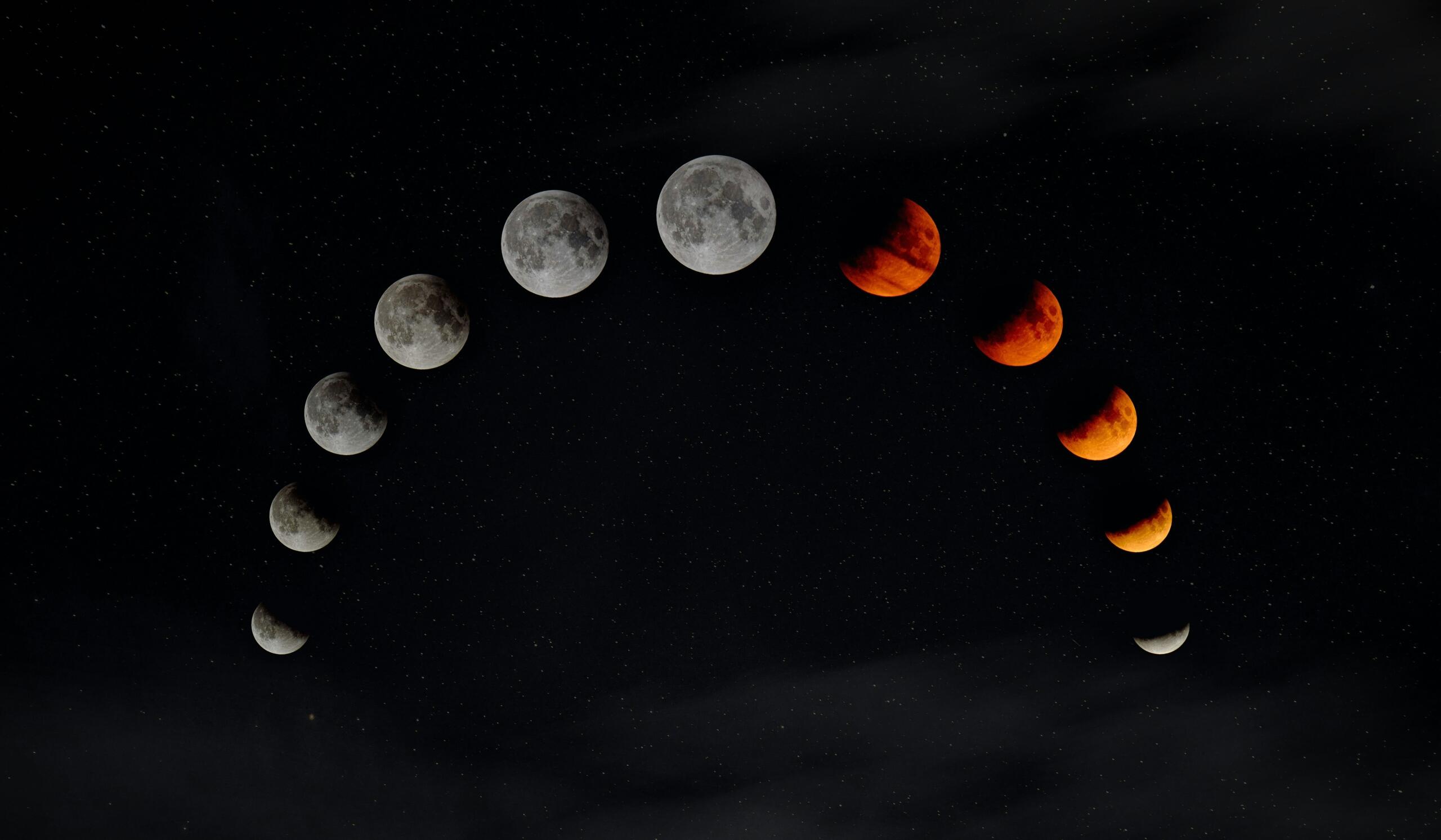
The Islamic calendar officially known as the Hijri calendar is one of the oldest lunar calendar systems still in active use today. It consists of 12 months, each beginning with the sighting of the crescent moon. Because lunar months are based on the Moon's 29.5-day cycle, each Islamic month lasts either 29 or 30 days.
The 12 months of the Islamic calendar are: Muharram, Safar, Rabi' al-Awwal, Rabi' al-Thani, Jumada al-Awwal, Jumada al-Thani, Rajab, Sha'ban, Ramadan, Shawwal, Dhu al-Qi'dah, and Dhu al-Hijjah. The 12 months of the Islamic calendar each carrying its own name, meaning, and spiritual significance begin with Muharram and end with Dhu al-Hijjah. Each month holds its own religious and historical significance, from the fasting of Ramadan to the Hajj pilgrimage in Dhu al-Hijjah.
How Many Days Are There in an Islamic Year?
A question that frequently arises when learning about the Islamic calendar is: how many days are there in an Islamic year? An Islamic year consists of either 354 or 355 days, depending on whether it is a common year or a leap year. This makes it approximately 10 to 11 days shorter than the 365-day Gregorian calendar year.
This difference explains why Islamic dates, including the Islamic New Year, move backward through the Gregorian calendar over time. For example, if the Islamic New Year falls in June in 2026, in the following years it will gradually move toward May, then April, and so on. Over a 33-year cycle, the Islamic New Year will have passed through all seasons of the Gregorian calendar, returning to the same Gregorian month after approximately three decades.
Cultural and Regional Variations in Celebrating the Islamic New Year
Diverse Practices
The Islamic New Year is not celebrated in a uniform way across the globe. Cultural traditions, regional customs, and different Islamic schools of thought all shape how Muslims mark this occasion. In some communities, the Islamic New Year is observed with solemn prayers and communal gatherings at the mosque. In others, families gather at home to share meals, exchange heartfelt Islamic New Year wishes, and reflect on the year gone by.
In parts of South Asia and Southeast Asia, the Islamic New Year is celebrated with religious poetry, processions, and storytelling about the Prophet's life. In West Africa, Islamic New Year observances often include the recitation of special prayers and charitable giving to the poor. While the expressions differ, the underlying spirit remains consistent: gratitude, reflection, and renewed commitment to faith.
Public Holidays
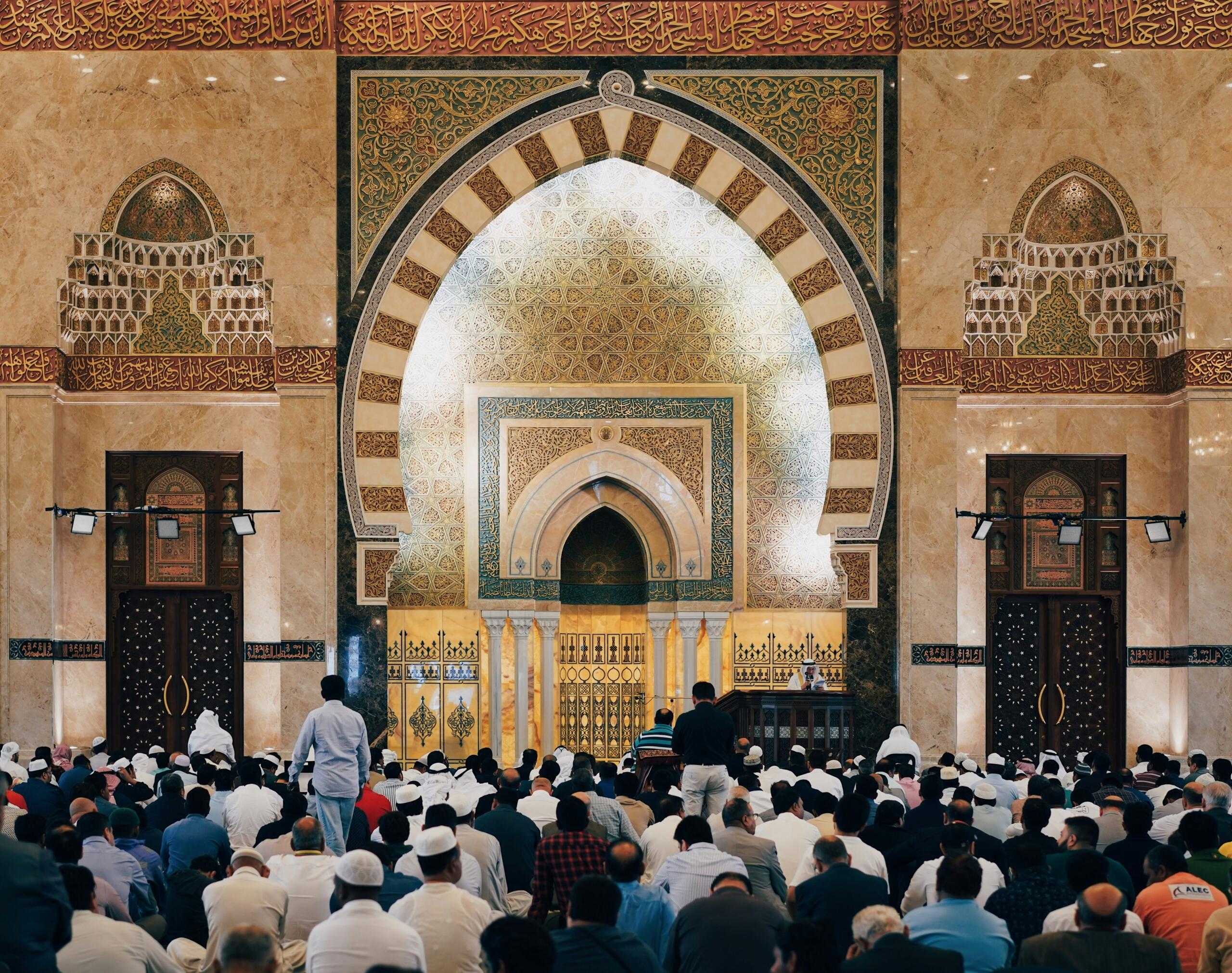
In several Muslim-majority countries, the Islamic New Year is a formal public holiday. Iraq, the United Arab Emirates, Kuwait, Bahrain, Jordan, Libya, Morocco, and many other nations officially mark the day, with government offices and schools closing to allow citizens to observe the occasion. In Indonesia — home to the world's largest Muslim population the Islamic New Year is also a national public holiday.
In contrast, in countries where Muslims are a minority, the Islamic New Year may not be a public holiday but is still observed privately by Muslim communities through mosque gatherings, charitable events, and family reflection. This diversity in observance reflects the broad and multicultural nature of the global Muslim community, which spans over 1.8 billion people.
Reflection and Personal Growth During Muharram
Spiritual Significance
More than any other aspect of the Islamic New Year, Muharram is regarded as a month of deep spiritual significance. The Prophet Muhammad referred to Muharram as the "Month of Allah," indicating its sanctity in the Islamic faith. Fasting during this month particularly on the Day of Ashura is considered highly recommended, with the Prophet reportedly saying that fasting on Ashura expiates the sins of the previous year.
For Muslims worldwide, the arrival of the Islamic New Year is an invitation to pause, reassess, and reconnect with their faith. It is a time to count one's blessings, acknowledge one's shortcomings, and set meaningful intentions for the year ahead not through resolutions made lightly, but through sincere commitment rooted in Islamic values.
Recommended Practices
While there are no obligatory rites specific to the Islamic New Year, scholars and Muslim communities around the world suggest a number of meaningful ways to observe this sacred time:
These practices align with the broader Islamic ethos of self-improvement and community care. The Islamic New Year is not about elaborate celebrations or commercial festivities it is about the quiet, sincere work of becoming a better Muslim, a better neighbor, and a better human being.
Summarise with AI:
Did you like this article? Leave a rating!

 Loading...