
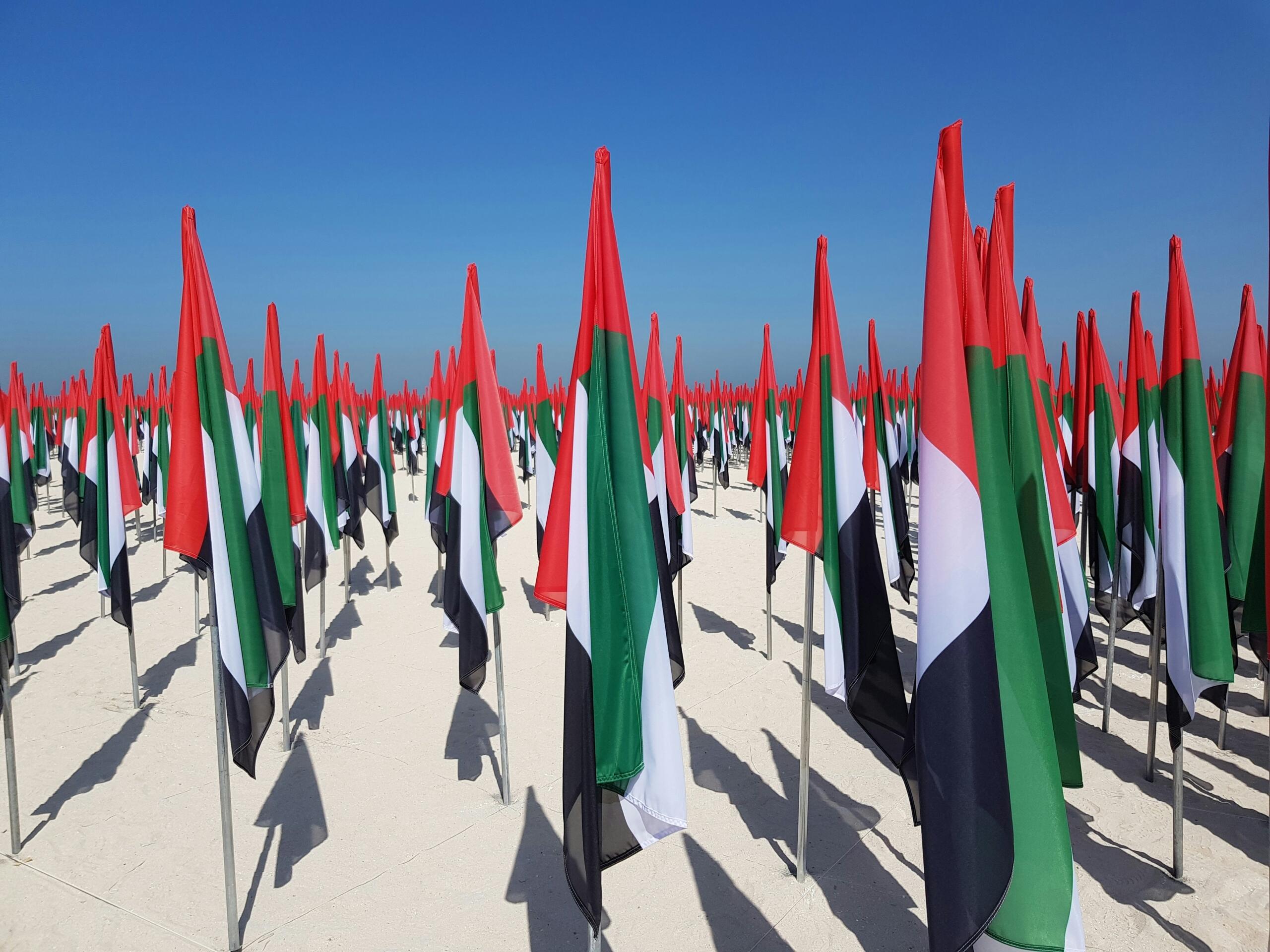

The flag is the embodiment of our unity, the symbol of our sovereignty, and the guardian of our dreams.
Sheikh Mohammed bin Rashid Al Maktoum
The flag of the United Arab Emirates stands as one of the most recognizable national symbols in the Middle East, representing the unity, pride, and aspirations of seven emirates that came together to form a single nation. Since its adoption in 1971, the history of the UAE flag has been intertwined with the story of the nation itself a tale of transformation, unification, and the pursuit of prosperity. Understanding the UAE flag history provides valuable insights into the cultural heritage and national identity that define the Emirates today. The vibrant colors and distinctive design are not merely aesthetic choices; they carry profound meanings rooted in Arab tradition and the collective vision of the UAE's founding fathers.
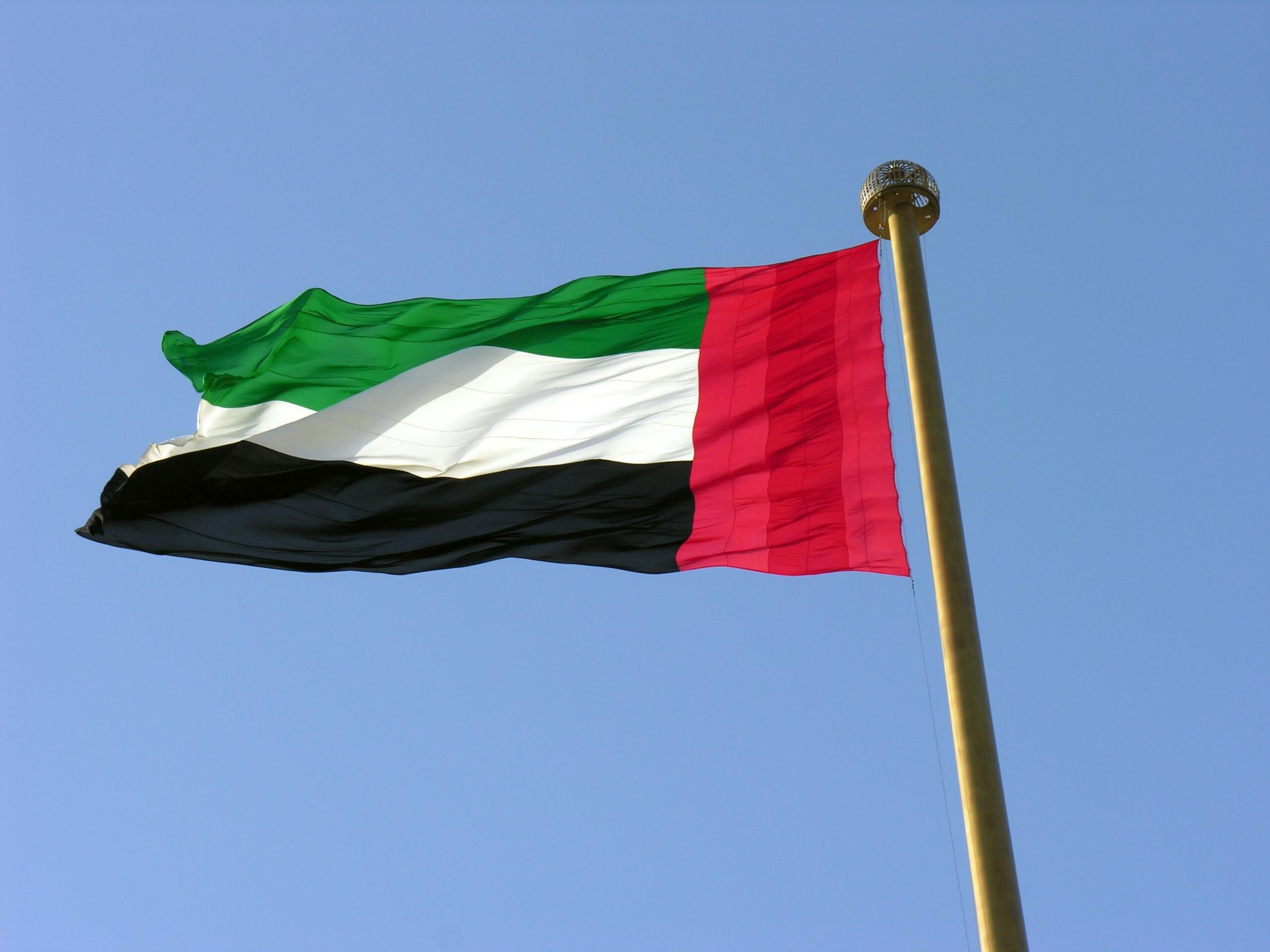
The history of the UAE flag begins with its creation in 1971, when the seven emirates Abu Dhabi, Dubai, Sharjah, Ajman, Umm Al Quwain, Fujairah, and Ras Al Khaimah united to form the United Arab Emirates. A nationwide design competition resulted in the selection of a flag created by Abdullah Mohammed Al Maainah, then just 19 years old. The flag was officially raised on December 2, 1971, by Sheikh Zayed bin Sultan Al Nahyan, marking the birth of the federation.


Historical Background of the UAE Flag
The UAE flag history cannot be understood without examining the complex political landscape that existed in the region before 1971. The territories that would eventually become the United Arab Emirates were historically known as the Trucial States, a collection of sheikhdoms along the southeastern Arabian Peninsula that had entered into various treaties with the British Empire throughout the 19th and early 20th centuries.
Pre-Union Flags of the Emirates
Before unification, each of the seven emirates maintained its own distinct flag, reflecting individual identities and ruling families. These flags varied in design, though many shared common elements that would later influence the national flag. The influence of external powers, particularly Britain, was evident in many of these early designs.
The 1820 General Maritime Treaty left a lasting mark on the region's flags but to understand what life in the Trucial States truly looked like before 1971, the story goes far deeper than treaties alone. Following this agreement, the emirates were required to add white borders or segments to their flags to distinguish friendly vessels from pirate ships in the Persian Gulf. This white addition symbolized the peace treaty and became a defining feature of flags in the region for over a century. Individual emirates flew predominantly red flags with white additions, though the specific designs varied by emirate and ruling family.
The Formation of the United Arab Emirates
The journey toward unification accelerated in the late 1960s when Britain announced its intention to withdraw from territories east of Suez by 1971. This decision prompted the Trucial States' leaders to consider forming a federation for mutual protection and economic development. Sheikh Zayed and Sheikh Rashid took the lead in a negotiation process as complex as it was historic one that would transform seven separate sheikhdoms into a unified nation overnight.
On December 2, 1971, six emirates officially formed the United Arab Emirates, with Ras Al Khaimah joining the federation on February 10, 1972. This historic unification necessitated the creation of a new national flag that would represent all emirates equally while establishing a unified national identity. The history of the UAE flag thus begins at this crucial moment of nation-building.
Design and Adoption of the National Flag
The Flag Design Competition
In early 1971, as unification plans progressed, the newly formed government announced a nationwide competition to design the flag of the United Arab Emirates. This democratic approach to creating a national symbol was relatively unusual for the time and demonstrated the leadership's commitment to involving citizens in the nation-building process.
The competition attracted overwhelming interest, with over 1,030 designs submitted by Emirati citizens from across the seven emirates. Participants ranged from professional artists to students, each offering their vision for what would become one of the nation's most important symbols. The selection committee evaluated submissions based on several criteria: adherence to Arab traditions, visual distinction, symbolic depth, and the ability to represent all seven emirates equally.
Designer Abdullah Mohammed Al Maainah received 4,000 dirhams prize money and later became UAE Minister of Foreign Affairs!
Official Adoption and First Raising
The official adoption of the national flag occurred on December 2, 1971, coinciding with the formation of the United Arab Emirates. In a ceremony laden with historical significance, Sheikh Zayed bin Sultan Al Nahyan, the founding father and first President of the UAE, personally raised the new flag for the first time at the Union House in Dubai.
This momentous occasion marked not just the history of the UAE flag beginning, but the birth of an entirely new nation. The flag raising ceremony was attended by rulers of the member emirates, government officials, and citizens who witnessed this defining moment in Emirati history. December 2nd has since been celebrated annually as UAE National Day, with the flag taking center stage in celebrations across the country.
Symbolism of the Flag's Colors
What do the colors of the UAE flag mean? This question leads us to explore the rich symbolism embedded in the banner. The UAE flag incorporates the four Pan-Arab colors red, green, white, and black which have historical significance throughout the Arab world. These colors were first used together during the Arab Revolt of 1916 and have since become symbolic of Arab unity and independence.
Evolution of the Flag Over Time
While the national flag was adopted in 1971, the transition from individual emirate flags to exclusive use of the national flag occurred gradually. Understanding this aspect of UAE flag history reveals how the federation balanced local identities with national unity.
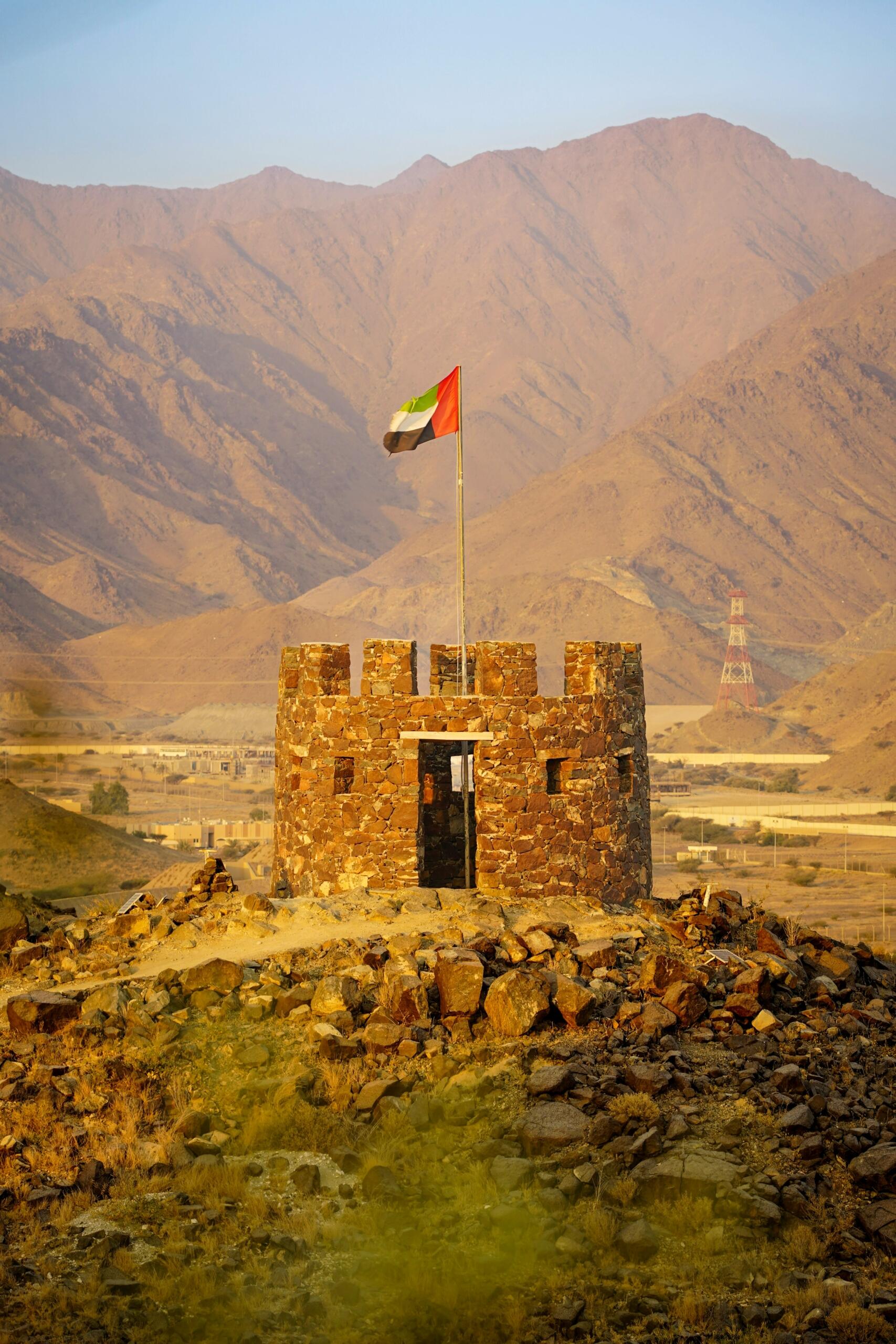
Initially, some emirates continued using their traditional flags alongside the national flag for local occasions. However, over time, the national flag became the primary symbol used across all seven emirates. Dubai officially adopted the national flag for all governmental purposes by the mid-1970s. Abu Dhabi, as the capital emirate, led by example in prominently displaying the national flag. Sharjah, Ajman, Umm Al Quwain, and Fujairah similarly transitioned to exclusive use of the national flag during the 1970s. Ras Al Khaimah, which joined the federation in 1972, also adopted the national flag upon joining.
Today, the UAE maintains strict protocols regarding the display and treatment of the national flag, reflecting the deep respect Emiratis hold for this symbol. Federal Law No. 2 of 1971 and subsequent amendments outline specific guidelines for flag usage.
The flag must be raised on all government buildings, schools, and public institutions. During national holidays, particularly National Day (December 2) and Flag Day (November 3), the flag is displayed prominently throughout the country.
Flag Day, established in 2013, specifically commemorates the accession of Sheikh Khalifa bin Zayed Al Nahyan as President and celebrates the history of the UAE flag and what it represents.
1820
The Trucial States sign the General Maritime Treaty with Britain, introducing white elements into regional flags as symbols of peace.
1971
Abdullah Mohammed Al Maainah’s design is selected through a national competition among over 1,000 entries
Dec 2, 1971
Sheikh Zayed bin Sultan Al Nahyan officially raises the UAE flag for the first time, marking the birth of the nation
1972
Ras Al Khaimah joins the federation and adopts the national flag
2013
UAE Flag Day is established to celebrate unity, pride, and national identity
Today
The UAE flag is recognized worldwide, representing the nation in global events, diplomacy, and space exploration
The UAE Flag in National Identity and Culture
The UAE flag serves as more than a governmental emblem it represents the collective identity of a diverse population that includes Emirati citizens and residents from over 200 nationalities. When examining what do the colors of the UAE flag mean in contemporary context, we see how they embody values that resonate across cultural boundaries: courage, prosperity, peace, and strength.
The flag appears in countless aspects of daily life a constant reminder of the rich cultural heritage and shared identity that binds Emiratis across all seven emirates. This ubiquity reinforces national unity and pride, particularly during significant occasions like National Day celebrations, when the entire nation adorns itself in the flag's colors.
The history of the UAE flag extends beyond national borders, as the banner represents the Emirates on the world stage. At international forums, sporting events, diplomatic gatherings, and cultural exchanges, the distinctive red, green, white, and black flag announces the UAE's presence.
Notable international moments include the UAE flag being displayed at the United Nations headquarters, flying at Olympic Games where Emirati athletes compete, waving at Formula 1 races held in Abu Dhabi, and representing the nation at World Expos and international summits. Each appearance reinforces the UAE's position as a modern, progressive nation rooted in Arab traditions.
The flag has become particularly prominent in space exploration, with the UAE's Mars mission showcasing the national colors on equipment and mission patches, symbolizing the nation's ambitious vision for the future while honoring the heritage represented in the UAE flag history.
Below, you can watch a glimpse of these remarkable moments, where the spirit of the UAE is brought to life through lights, music, and the iconic national colors:
The history of the UAE flag is a remarkable story that spans just over five decades yet encompasses profound transformation and achievement. From the individual flags of the Trucial States to a unified national banner, the flag charts one of the most remarkable national journeys in modern history from scattered desert sheikhdoms to a global powerhouse. Understanding what do the colors of the UAE flag mean courage, prosperity, peace, and strength provides insight into the values that continue to guide this nation. Today, as the UAE flag flies proudly from the world's tallest building and travels to Mars, it carries forward the legacy of unity and ambition that characterized its creation in 1971, remaining an enduring symbol of national pride for generations to come.
Summarise with AI:
Did you like this article? Leave a rating!

 Loading...