

The united arab emirates history and culture is one of the most compelling stories of the modern world a nation that leapt from pearl-diving villages to gleaming skyscrapers within a single generation. Today, the UAE stands as a symbol of bold transformation, where ancient Bedouin traditions coexist with cutting-edge architecture and a globally connected economy. Understanding the united arab emirates history and culture means exploring not just what the country has become, but where it all began.
The United Arab Emirates boasts a rich tapestry of history and culture, evolving from ancient civilizations and tribal societies to a dynamic, modern state that honors its heritage while embracing global influences.


Ancient Roots and Early Civilizations
Prehistoric Settlements
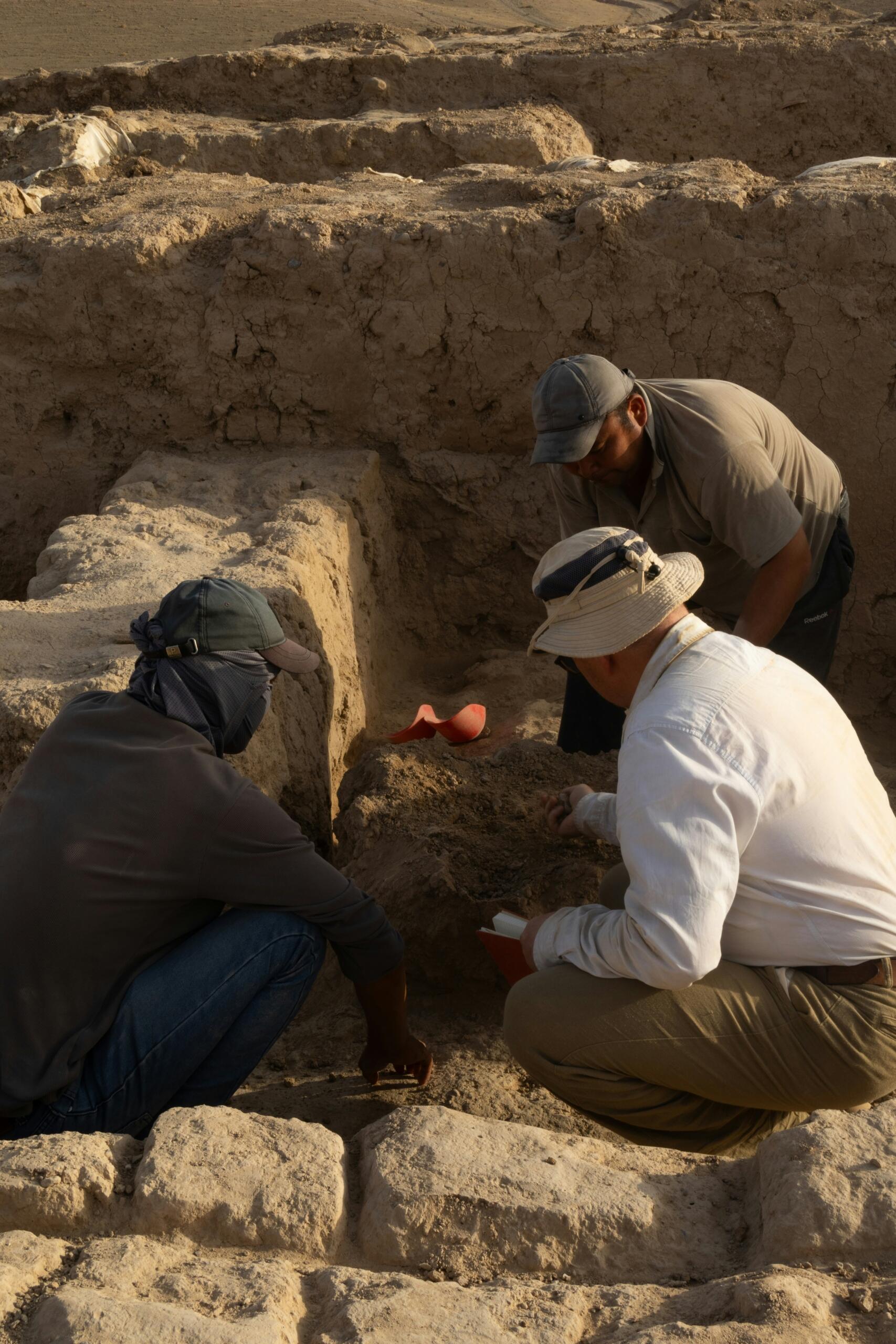
The story of united arab emirates history and culture stretches back far longer than most people realize. Archaeological evidence confirms human habitation in the region for over 125,000 years, making the UAE one of the earliest known inhabited territories in the Arabian Peninsula.
Among the most significant discoveries is the Umm Al Nar culture (2600–2000 BCE), named after an island near Abu Dhabi. Excavations at Umm Al Nar have uncovered elaborate tombs, bronze tools, and imported pottery, revealing a society with advanced trade networks and complex social structures. These early inhabitants were far from isolated they were active participants in a broader ancient world.
Influence of Trade and Migration
The culture and heritage of the UAE was shaped profoundly by the sea. The coastline invited merchants, migrants, and explorers, turning what might have been isolated desert settlements into vibrant crossroads of civilization.
Ancient trade routes connected the region to the Sumerians of Mesopotamia, the Indus Valley civilization, and even the distant culture of Bactria (modern-day Afghanistan). Coastal towns such as those found on the Oman Gulf became thriving commercial hubs where goods like copper, pearls, dates, and textiles changed hands.
Formation of the Emirates
To understand united arab emirates history and culture, you must understand the deep-rooted system of tribal governance that preceded the modern state. The Arabian Peninsula was organized around powerful tribal confederations, each controlling specific territories and resources.
The Bani Yas confederation dominated the interior and coastal areas around Abu Dhabi and Al Ain. Known for their military prowess and political acumen, the Bani Yas laid the foundations for what would eventually become the ruling families of Abu Dhabi and Dubai. In the north, the Al Qawasim (or Qawasim) tribe established themselves as formidable maritime powers, controlling trade routes from the Strait of Hormuz. Their legacy lives on in the present-day Emirates of Sharjah and Ras Al Khaimah.
This tribal framework was not merely political it was deeply cultural. Concepts of loyalty, hospitality (diyafa), and honor (sharaf) that emerged from this era remain central to United Arab Emirates culture today.
He who does not know his past cannot make the best of his present and future.
H.H. Sheikh Mohammed bin Rashid Al Maktoum
The 19th century brought a new chapter to United Arab Emirates history and culture through contact with the British Empire. Following a series of maritime conflicts, Britain signed a series of agreements with local rulers, transforming the region into what became known as the Trucial States a collection of sheikhdoms under British protection.
The British presence, while controversial, introduced new administrative structures and helped stabilize regional trade. The Trucial States also became part of a broader network of British interests stretching across the Persian Gulf and Indian Ocean. By the mid-20th century, however, the winds of change were blowing, and independence was on the horizon.
Path to Unification and Modernization
Independence and Federation
The single most pivotal event in United Arab Emirates history and culture occurred on December 2, 1971 but the road to that moment was decades in the making, as six emirates: Abu Dhabi, Dubai, Sharjah, Ajman, Umm Al Quwain, and Fujairah came together to form the United Arab Emirates. Ras Al Khaimah joined the federation in 1972, completing the union of seven emirates that exists today.
The architect of this vision was Sheikh Zayed bin Sultan Al Nahyan, the ruler of Abu Dhabi and the UAE's first president. His leadership was defined by a rare combination of pragmatism and generosity he understood that the emirates were stronger together than apart, and that the nation's oil wealth must be shared broadly. Sheikh Zayed's philosophy of unity and compassion continues to guide UAE governance and is inseparable from any discussion of modern United Arab Emirates culture.
To gain a deeper understanding of this historic transformation of UAE, you can watch the video below.
Economic Transformation
No exploration of United Arab Emirates history and culture is complete without acknowledging the seismic impact of oil. The discovery of oil in Abu Dhabi in 1958 and its commercial export beginning in 1962 unleashed a wave of development unlike anything the region had ever seen. Roads, hospitals, schools, and entire cities rose from the desert in a matter of decades.
But the UAE's leaders recognized a crucial truth early on: oil would not last forever. Beginning in the 1980s and accelerating dramatically in the 21st century, the UAE launched ambitious economic diversification initiatives. Today, sectors like tourism, finance, logistics, and technology generate a significant share of national income, particularly in Dubai. This forward-thinking approach reflects the broader culture and heritage of the UAE a willingness to adapt while staying rooted in identity.
Cultural Tapestry of the UAE
Traditional Attire and Customs
The United Arab Emirates culture is perhaps most visibly expressed through dress. The kandura a long white robe worn by Emirati men is far more than clothing. It is a statement of cultural pride, religious observance, and national identity. Women traditionally wear the abaya, a flowing black garment often paired with a headscarf, which similarly carries deep symbolic weight within United Arab Emirates culture.
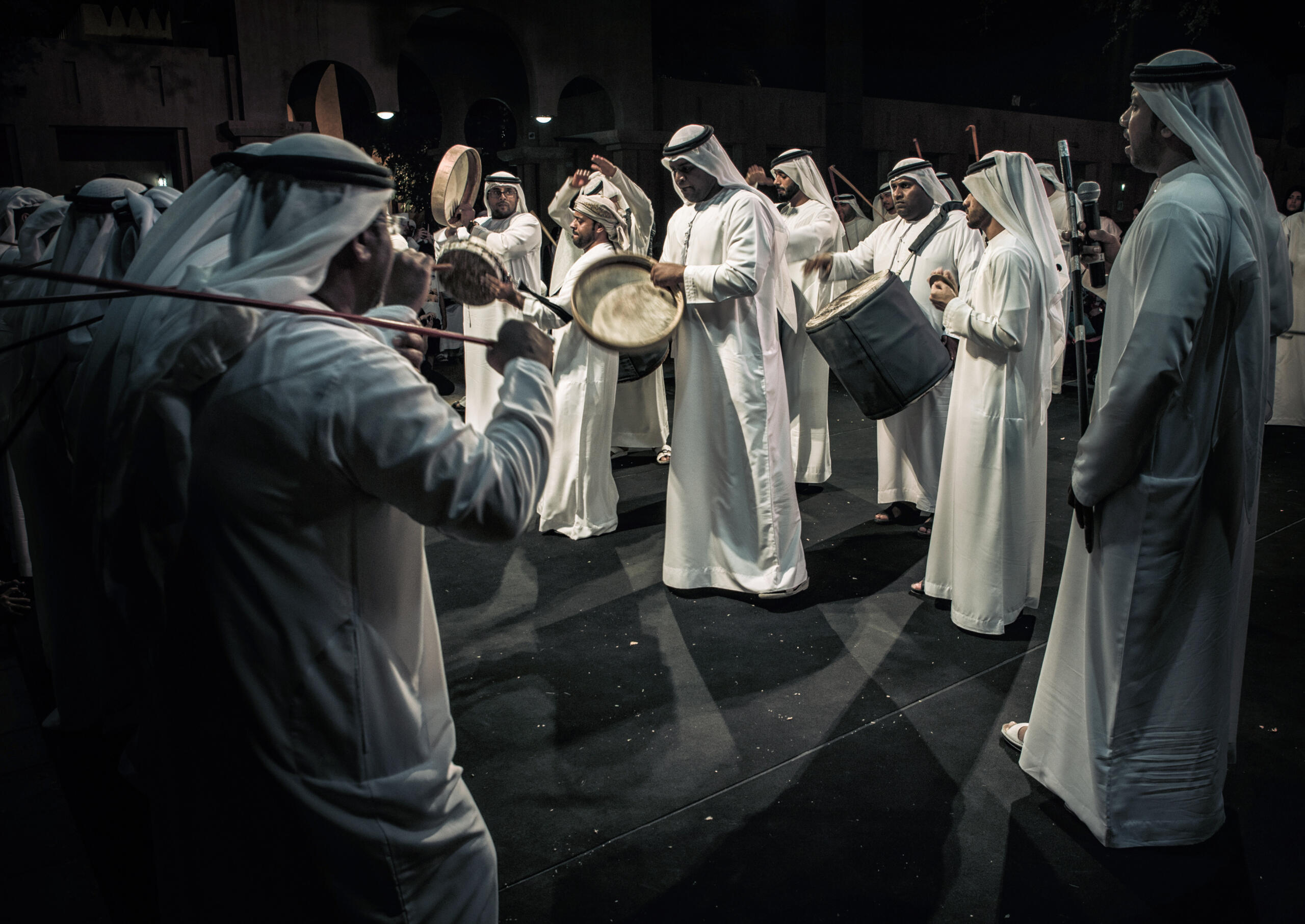
Traditional social customs are equally significant. Hospitality is considered a sacred duty in Emirati society: guests are welcomed with Arabic coffee (qahwa) flavored with cardamom and rose water, alongside dates. The Al Ayyala dance, performed at celebrations and national events, is a powerful expression of community and heritage lines of men swaying to drumbeats, symbolizing unity and pride. It was inscribed on UNESCO's Intangible Cultural Heritage list, cementing its global significance.
Architectural Heritage
The culture and heritage of the UAE is beautifully preserved in its traditional architecture. Before air conditioning and reinforced concrete, Emirati builders developed the barjeel a wind tower ingeniously designed to catch and funnel cool breezes into homes below. These towers, found throughout historic districts in Dubai and Abu Dhabi, are a testament to the ingenuity born from necessity.
Today, walking through Al Fahidi Historical Neighbourhood in Dubai or the old quarter of Al Ain offers a window into this architectural past. These mud-brick structures and narrow lanes stand in remarkable contrast to the city's gleaming towers a contrast that defines the visual identity of modern United Arab Emirates culture. The government has invested heavily in preserving these sites, recognizing them as irreplaceable connectors to the past.
The calendar of United Arab Emirates culture is rich with celebration. National Day on December 2 commemorates the federation's founding in 1971 and is marked with fireworks, parades, traditional performances, and buildings draped in the colors of the UAE flag, each shade carrying a meaning that traces back to the very founding of the nation.
Islamic festivals are equally central to United Arab Emirates history and culture. Eid al-Fitr, marking the end of Ramadan, transforms the country into a festival of family gatherings, charitable giving, and communal feasting. Eid al-Adha similarly brings communities together in reflection and celebration. During the holy month of Ramadan itself, the entire rhythm of the country shifts workdays shorten, evenings fill with the warmth of iftar gatherings, and the spirit of generosity that defines United Arab Emirates culture comes to the fore.
The barjeel (wind tower) is one of the world's earliest natural cooling systems. Some towers in the UAE are over 200 years old and can reduce indoor temperatures by up to 10°C entirely without electricity. Today, modern architects in the UAE are reviving the barjeel concept in eco-friendly building designs.
Contemporary Cultural Developments
One of the most profound expressions of United Arab Emirates history and culture in recent years has been the country's commitment to religious tolerance. The Abrahamic Family House, inaugurated on Saadiyat Island in Abu Dhabi in 2023, brings together a mosque, a church, and a synagogue on a single campus a powerful architectural embodiment of coexistence.
This spirit of tolerance has deep historical roots. Archaeological discoveries have revealed ancient Christian monastery sites on Sir Bani Yas Island, dating back to the 7th century. These findings demonstrate that the land now known as the UAE has long been a place of religious plurality, and that modern tolerance initiatives are as much a continuation of history as they are a contemporary choice.
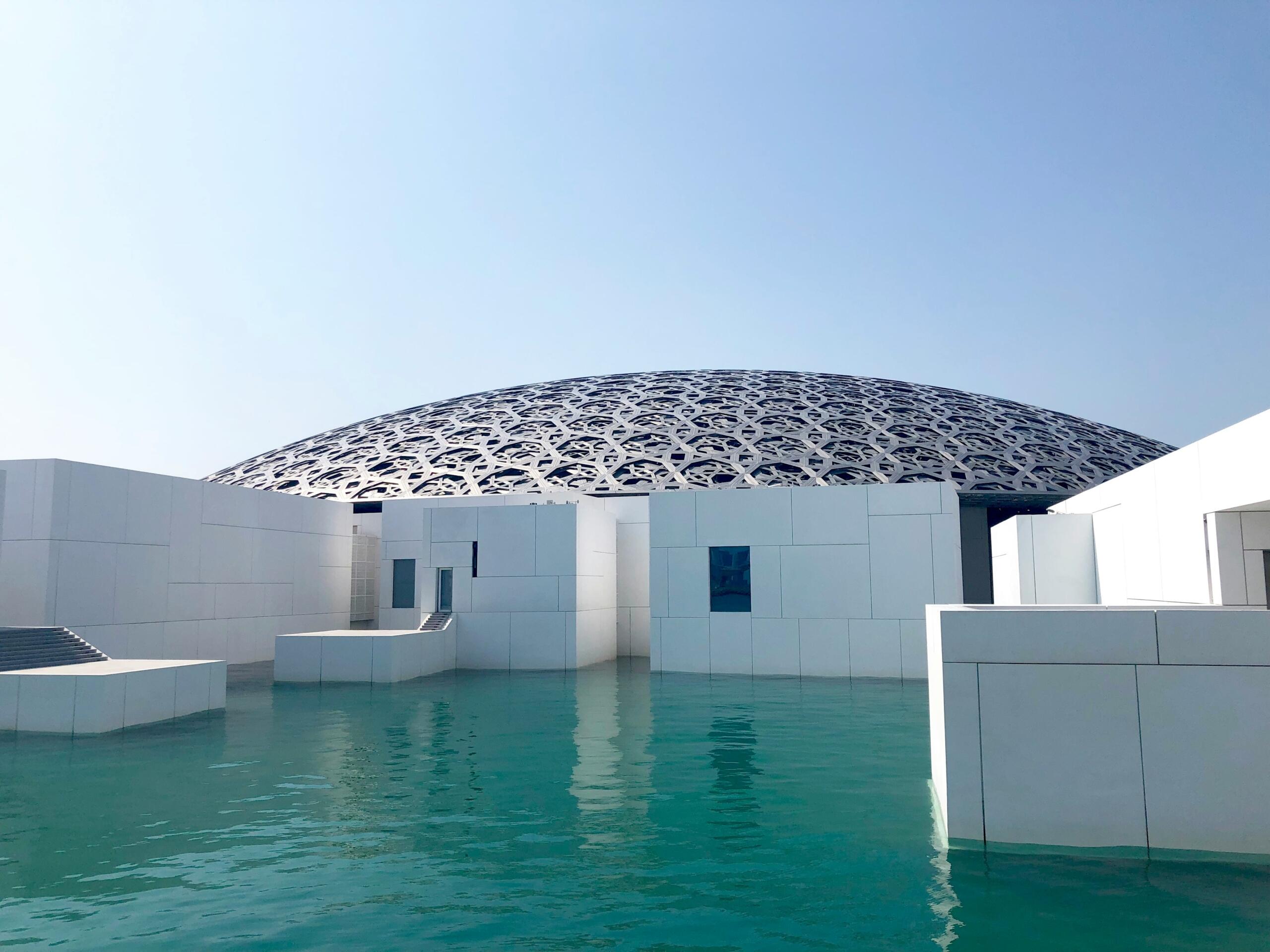
Modern United Arab Emirates culture has become a confident global voice in the arts. The opening of the Louvre Abu Dhabi in 2017 a branch of the world's most visited museum was a landmark moment, signaling the UAE's ambition to be a world-class cultural destination. Its stunning domed structure, designed by Jean Nouvel, creates a "rain of light" effect that draws visitors from across the globe.
Beyond fine arts, the UAE has embraced an extraordinary range of international sports. From Formula 1 racing at Yas Marina Circuit to world-class golf, tennis, and even ice hockey, the country's appetite for global sporting culture reflects its cosmopolitan character. These events attract millions of international visitors and have become woven into the fabric of contemporary United Arab Emirates culture.
Preserving Heritage Amidst Modernization
Cultural Preservation Efforts
The pace of change in the UAE has created a real and urgent challenge: how do you preserve identity when transformation is constant? The government has responded with substantial institutional investment. The UAE Ministry of Culture and Youth coordinates programs to document oral traditions, protect archaeological sites, and promote Emirati arts education.
In Sharjah often called the "Cultural Capital of the Arab World" the Sharjah Art Foundation has become a leading force in the region's creative life, hosting biennials, commissioning public art, and supporting emerging Emirati artists. Museums dedicated to culture and heritage of the UAE, such as the Sharjah Heritage Museum and Al Ain National Museum, offer carefully curated journeys through the country's layered past.
1971
Formation of the UAE, official protection of cultural identity begins
1974
Al Ain National Museum opens one of the UAE's first museums
1981
Sharjah Heritage Museum established, documenting traditional Emirati life
2011
Al Ain archaeological sites inscribed on the UNESCO World Heritage List
2017
Louvre Abu Dhabi opens the symbol of the UAE's global cultural vision
2023
Abrahamic Family House inaugurated architecture of religious and cultural tolerance
Balancing Tradition and Innovation
Perhaps the most remarkable aspect of United Arab Emirates history and culture is the balance Emiratis maintain between ancestral values and radical modernity. Young Emiratis launch startups and engage with global culture — while still observing centuries-old traditions, speaking Arabic with their grandparents, and celebrating cultural festivals that have endured for generations.
This balance is not always easy, but the resilience of United Arab Emirates culture its ability to absorb outside influence without losing its core is perhaps its greatest strength. From the pearl divers of the Arabian Gulf to the architects of one of the world's most ambitious nations, the United Arab Emirates history and culture is ultimately a story about human adaptability: proof that tradition and progress are not opposites, but partners.
Summarise with AI:
Did you like this article? Leave a rating!

 Loading...