
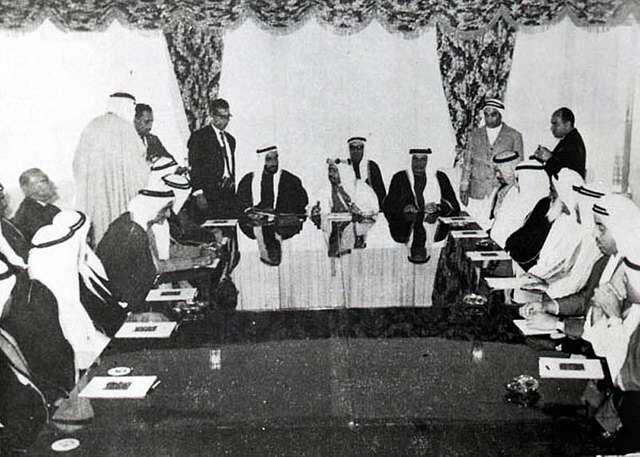

The past is the foundation upon which the future is built.
Sheikh Zayed bin Sultan Al Nahyan
The history of UAE is a fascinating journey that spans thousands of years, from early human settlements to the rise of one of the world’s most dynamic modern nations. Located in the southeastern corner of the Arabian Peninsula, the United Arab Emirates has long been a crossroads of trade, culture, and innovation.
Understanding the history of UAE provides valuable insight into how a desert region transformed into a global hub for business, tourism, and technology. This brief history of the nation highlights key moments that shaped its identity and development.
The history of UAE is also a story of adaptation. Despite harsh climatic conditions, early communities built sustainable ways of life that laid the foundation for later civilizations. These early adaptations are essential when examining the uae history timeline, as they explain the resilience that defines the nation today.
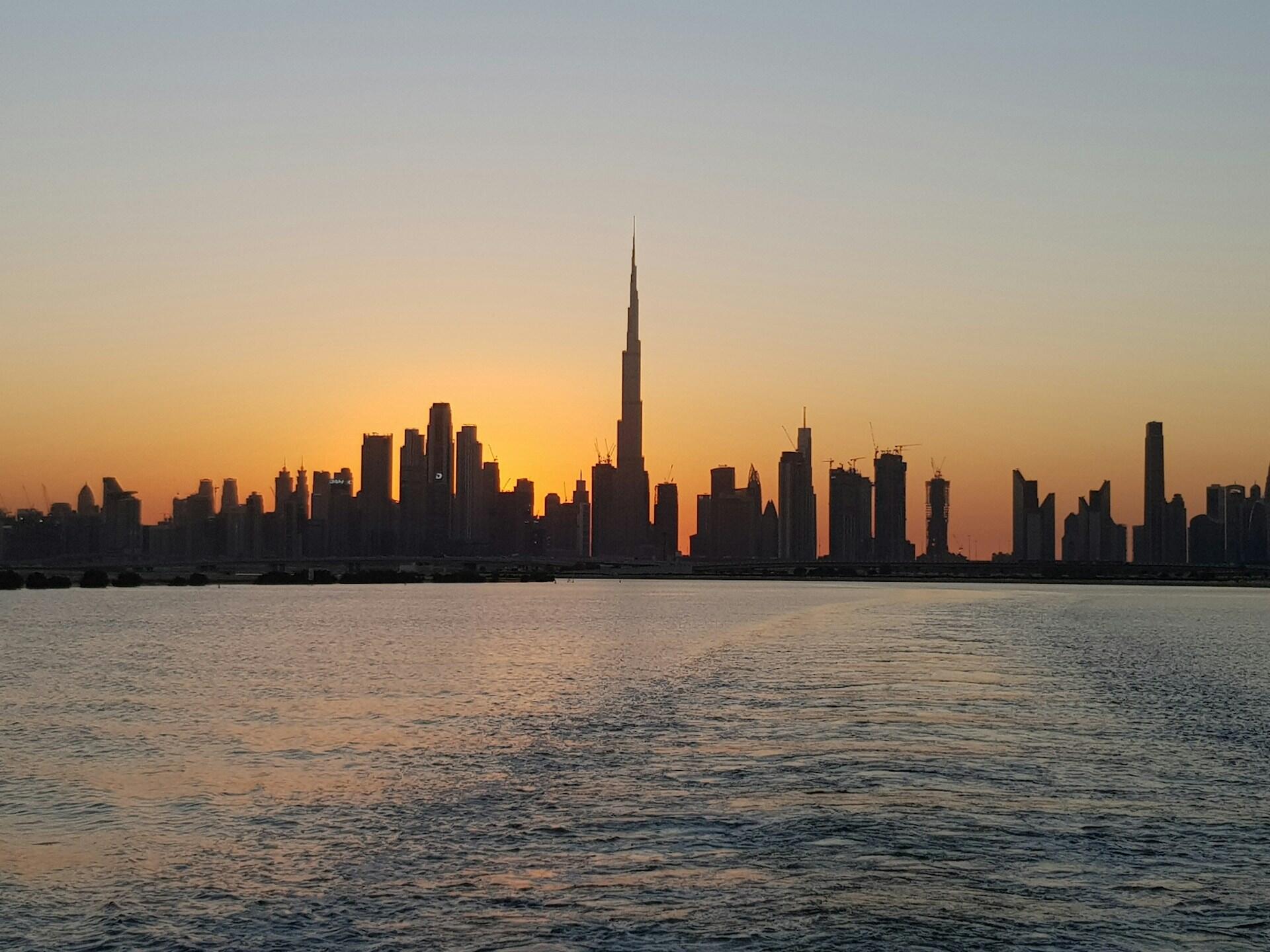
The history of UAE can be summarized through a series of transformative phases. Early settlements date back to the Neolithic period, followed by flourishing trade networks, the spread of Islam, and later European influence. The modern history of UAE reached a turning point in 1971 with the formation of the federation.
This uae history timeline reflects the resilience and adaptability of the region’s people, making the history of UAE both rich and inspiring.
Over time, the history of the country has evolved from survival-based communities into a highly advanced and globally connected society. Each stage of the uae history timeline builds upon the previous one, creating a continuous narrative of progress.


Prehistoric and Ancient Times
Early Inhabitants and Settlements
The earliest chapter in the history of UAE begins with archaeological evidence of human habitation dating back over years. Discoveries at sites like Mleiha and Ed-Dur reveal that early communities thrived through fishing, hunting, and trade.
Long before cities rose, people were already building communities here.
These settlements played a foundational role in the history of UAE, demonstrating early adaptability to harsh desert conditions. This brief history of UAE shows how resourcefulness shaped survival and growth.
Artifacts such as pottery, tools, and burial sites provide crucial insights into the early uae history timeline, highlighting the region’s importance even in prehistoric times.
These early societies also developed primitive trade connections with surrounding regions, making the history of the country part of a much larger ancient economic network.
Bronze and Iron Ages
During the Bronze Age, the Umm Al Nar civilization emerged as a key milestone in the history of UAE. This period saw advancements in architecture, trade, and metallurgy.
The Iron Age introduced the Wadi Suq culture, further enriching the history of UAE with innovations in irrigation and agriculture. These developments significantly influenced settlement patterns and economic activities.
This stage in the uae history timeline reflects a transition from survival-based communities to more structured societies, marking an important chapter in the history of the nation.
The technological and social progress of this era demonstrates how the history of UAE was already moving toward complexity and organization long before modern statehood.
The Islamic Era and Middle Ages
Introduction of Islam
The arrival of Islam in the 7th century marked a pivotal moment in the history of UAE. The region quickly embraced the new religion, which brought profound cultural, social, and political changes.
Islam unified communities and influenced governance, law, and daily life, becoming a central pillar in the history of UAE. This transformation is a key highlight in any brief history of UAE.
The adoption of Islam also strengthened regional connections, integrating the area more deeply into the wider Islamic world, a crucial phase in the uae history timeline, and it further reinforced shared identity, cultural continuity, and long-term social cohesion across the region.
Trade and Commerce
Trade has always been central to the history of UAE. Its strategic location between Asia, Africa, and Europe made it a vital hub for merchants and travelers.
The pearling industry, in particular, played a significant role in the history of UAE before the discovery of oil. Pearls from the region were highly valued and contributed to economic prosperity.
This era in the uae history timeline showcases the region’s integration into global trade networks, reinforcing the importance of commerce in the history of UAE.
Maritime trade routes not only boosted the economy but also facilitated cultural exchange, enriching the history of the country with diverse influences. These interactions also helped early coastal communities develop stronger international connections, shaping both economic practices and social structures across generations.
European Influence and the Trucial States
Portuguese and British Engagements
In the 16th century, Portuguese explorers arrived, marking a new phase in the history of UAE. Their presence influenced trade routes and regional politics, particularly along the coastal settlements.
Later, British involvement became more prominent, shaping the history of UAE through treaties and maritime agreements. These interactions laid the groundwork for the Trucial States and long-term political stability in the region.
This period is essential in understanding the uae history timeline, as it introduced external political dynamics into the history of the nation, while also reshaping economic priorities and strengthening maritime governance structures across the Gulf.
Because of the 1853 Perpetual Maritime Truce, the British stopped calling the region "Pirate Coast" and renamed it "Trucial Coast", the very name "UAE" traces its roots back to that single peace agreement.
The Trucial States Era
The Trucial States period represents a defining chapter in the history of UAE. Agreements between local rulers and the British ensured maritime peace and stability.
These treaties allowed the region to focus on trade and development, contributing significantly to the history of UAE. This stage is often emphasized in any brief history of UAE due to its long-lasting impact.
The stability achieved during this era created the conditions necessary for future modernization in the history of UAE, while also strengthening diplomatic relations and establishing a foundation of trust between coastal communities and external powers.
Path to Unification
Discovery of Oil
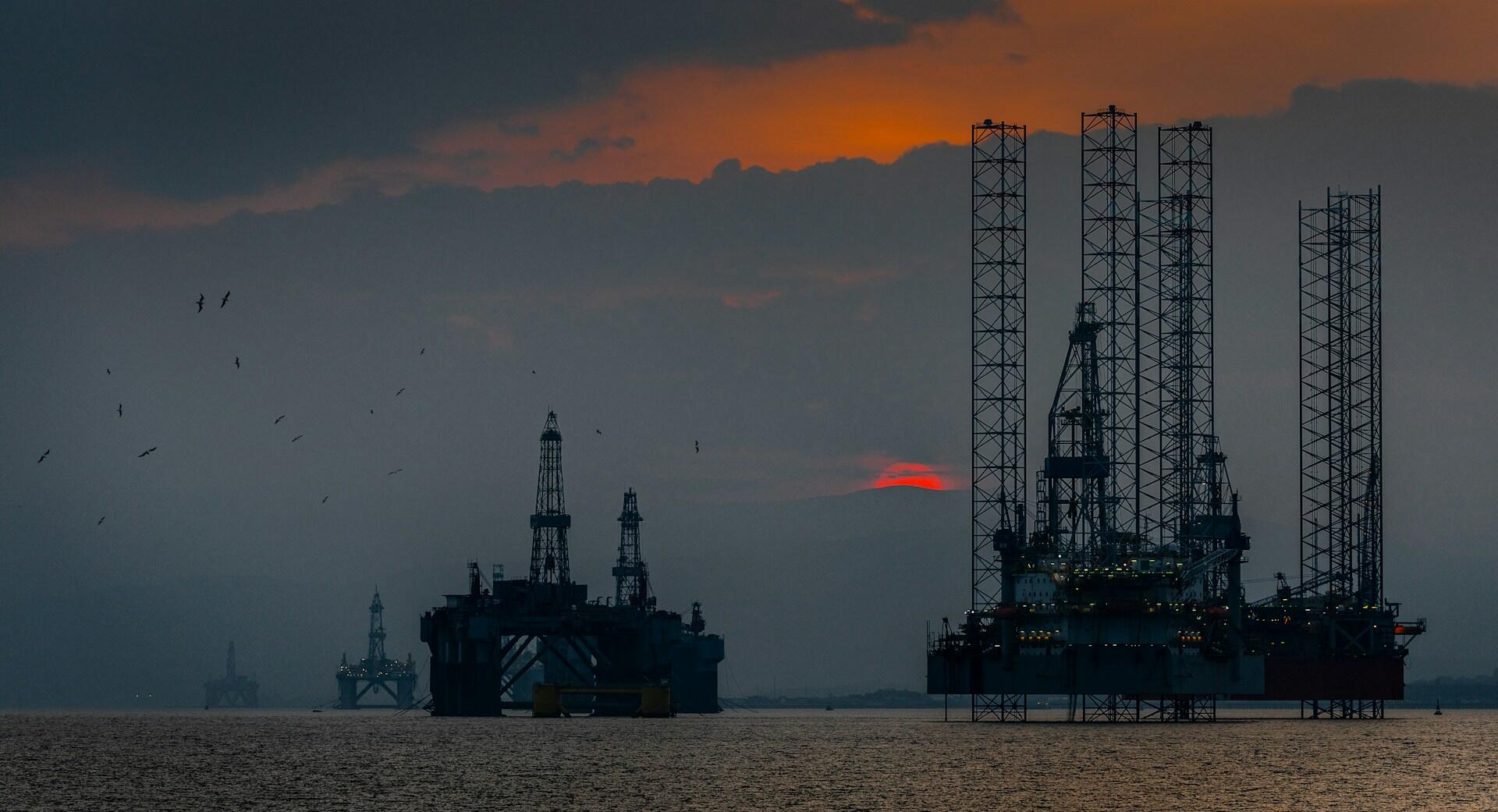
The discovery of oil in the 1950s revolutionized the history of UAE. It transformed the economy from one based on fishing and pearling to a modern industrial powerhouse, unlocking unprecedented economic potential across the region.
Oil revenues enabled rapid infrastructure development, education, healthcare improvements, and large-scale urban planning projects, marking a turning point in the history of UAE. This period also accelerated population growth and attracted international expertise, which further strengthened national development strategies.
This milestone stands out clearly in the uae history timeline, highlighting the shift toward modernization in the history of UAE. It also laid the foundation for long-term economic stability, diversification efforts, and the emergence of globally competitive cities like Abu Dhabi and Dubai.
The unification of the seven emirates in 1971 is the most defining moment in the history of UAE but the path that led to that moment was shaped by decades of diplomacy, negotiation, and visionary leadership.. Under the leadership of Sheikh Zayed bin Sultan Al Nahyan, the federation was established.
This achievement symbolizes unity, vision, and progress, making it a cornerstone of the history of UAE. Any brief history of UAE would be incomplete without this event.
The formation of the nation is a key highlight in the uae history timeline, representing the birth of modern UAE. It also marked the beginning of a new era of political stability, economic cooperation, and national identity that continues to shape the country’s development today.
Modern Era and Development
In recent decades, the history of UAE has been defined by diversification. The country has expanded beyond oil into tourism, finance, aviation, and technology, building a resilient and future-oriented economy.
Cities like Dubai and Abu Dhabi have become global centers, showcasing the forward-thinking approach that defines the history of the country today. These cities attract international businesses, skilled professionals, and millions of tourists each year, further strengthening their global reputation.
This evolution is a major highlight in the uae history timeline, reflecting innovation and strategic planning in the history of UAE. It also demonstrates how long-term national vision has transformed the UAE into one of the most competitive economies in the region, with continuous investment in infrastructure, sustainability, and digital transformation.
Cultural preservation and social development are central themes in the history of UAE. Initiatives in education, arts, and heritage ensure that traditions are maintained alongside modernization.
This balance between ancient traditions and modern ambition is what makes Emirati culture truly unique that continues to evolve without losing its roots.
In addition to these developments, the UAE has also placed strong emphasis on digital transformation and smart city initiatives. These efforts further strengthen its position in the modern world and add a new layer to the history of UAE, showing how rapidly the country adapts to global trends while maintaining its identity.
The continued investment in infrastructure, sustainability, and innovation ensures that the history of the nation remains dynamic and forward-looking. This ongoing progress is increasingly visible in the uae history timeline, especially in recent decades where technological advancement has accelerated national growth.
UAE History Timeline
Here is a simplified uae history timeline highlighting key events:
7000 BCE
Early human settlements appear
3000 BCE
Umm Al Nar civilization flourishes
7th century
Introduction of Islam
16th century
Portuguese arrival
19th century
British treaties establish Trucial States
1950s
Discovery of oil
1971
Formation of the UAE
2000s–Present
Rapid modernization and global expansion
This UAE history timeline offers a clear overview of the history of UAE from ancient settlements to the raising of a flag that would come to symbolize an entire nation's identity and values.
The timeline also demonstrates how each phase of the history of UAE contributes to the nation’s current global standing.
In particular, the rapid developments after 2000 highlight how the history of UAE has shifted toward innovation-driven growth, making it one of the fastest-transforming nations in the modern world.
The history of UAE is a story of transformation, resilience, and vision. From ancient settlements to a thriving modern nation, the journey reflects adaptability and ambition.
This brief history of UAE demonstrates how strategic leadership and cultural values have shaped the country’s success. By examining the uae history timeline, we gain a deeper appreciation for the milestones that define the history of UAE today.
Ultimately, the history of the country continues to evolve, blending tradition with innovation to build a future-oriented nation grounded in a rich historical legacy. The ongoing progress in technology, sustainability, and global influence ensures that the history of UAE is still being written, with each year adding new achievements to its remarkable journey.
Summarise with AI:
Did you like this article? Leave a rating!

 Loading...